Anubis: The Mummy’s Best Friend
Introduction
The saying goes, “a dog is a man’s best friend”, and “dog spelled backwards is god”, so I would bet that a dog god is a man’s best friendly god. For Anubis, this is certainly the case. Jackals, specifically the African golden wolf (Canis lupaster), were not fully domesticated in ancient Egypt, even in the same way as cats. So, they were not typically kept as pets due to their wild and aggressive nature, but they were revered while living on the fringes of settlements and served as the inspiration for Anubis (Wegner 2023).
Anubis evolves throughout Egyptian history, beginning as a composite funerary deity with various local associations in the predynastic and early dynastic periods. Over time, he becomes a more standardized jackal-headed guardian of the dead, and today he is reinterpreted flexibly in contemporary art and scholarship. Throughout these periods, depictions of Anubis reflect changes in ideas about the afterlife, burial practices, and state ideology. Early artworks were locally based and connected to Osirian themes, eventually giving way to more uniform, royal-marginal images during the New Kingdom and Late Period. In modern times, Anubis has been reimagined in broader mythic and symbolic roles. Summarizing Anubis is challenging because scholars often disagree on whether he is a distinct deity or a derivative or merged form of Osiris and Anput, and on how to interpret certain artifacts from the predynastic period.
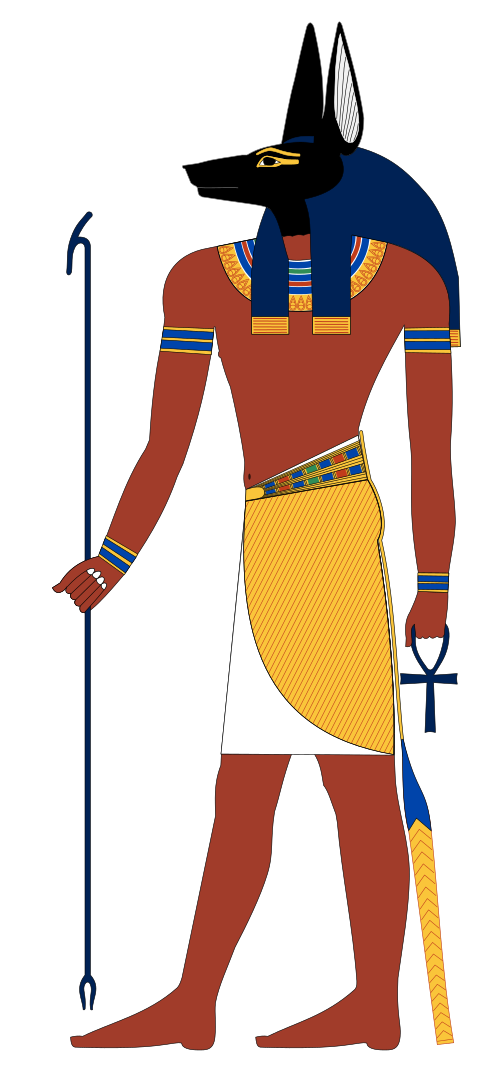
Figure 1. Anubis
What We Know in General
Like many gods we have explored, the name Anubis (Ancient Greek: Ἄνουβις) is the Greek form of the deity's name. In ancient Egyptian, he was known as Inpu, Inpw, Jnpw, or Anpu (Coptic: ⲁⲛⲟⲩⲡ, romanised: Anoup) (Coulter & Turner, 2000, p. 58). The name in ancient Egyptian means “a royal child,” deriving from the root "inp," meaning “to decay.” He held titles such as "Lord of the Sacred Land" (Nb-ta-djeser), "He Who is Upon his Sacred Mountain" (Tpy-djuef), "Ruler of the Nine Bows", "The Dog who Swallows Millions", "Master of Secrets," "He Who is in the Place of Embalming" (Imy-ut), and "Foremost of the Divine Booth” (Mark, 2016). Additionally, he was called “First/Foremost of the Westerners” (Khenty-Amentiu), a reference to his role as king of the dead, since “Westerners” was the Egyptian term for souls in the afterlife, located in the west toward the sunset. Even after Osiris became associated with this role, representing eternal justice, Anubis retained the title "First of the Westerners" (Mark, 2016).
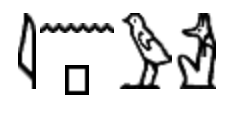
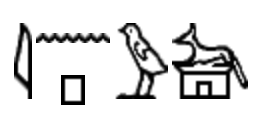
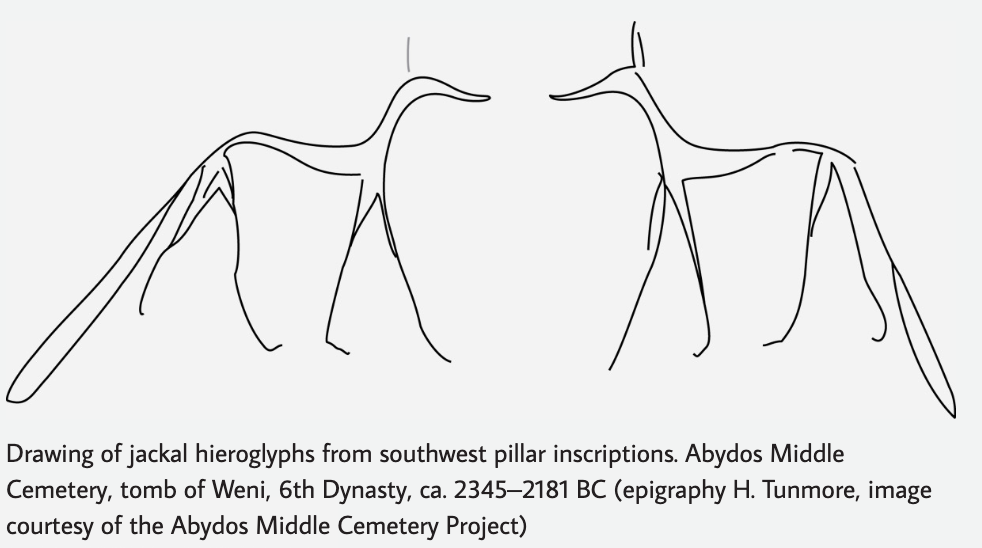
During the Old Kingdom (c. 2686 BC – c. 2181 BC), the typical way to write his name in hieroglyphs involved the sound signs inpw followed by a jackal* symbol over a ḥtp sign, which is an Egyptian word that roughly translates as “to be satisfied, at peace” (Figure 2)(Leprohon 1990: 164, citing Fischer 1968: 84; Lapp 1986: 8–9). A new format featuring the jackal on a tall stand emerged in the late Old Kingdom and became widespread (Figure 3)(Leprohon 1990: 164, citing Fischer 1968: 84; Lapp 1986: 8–9). The Coptic "Anoup" and the Akkadian transcription ⟨a-na-pa⟩ (𒀀𒈾𒉺) may have influenced the name jnpw of Anubis (Figure -)(Conder 1894: 85). [In the name <ri-a-na-pa>, sounding like “Reanapa”, the name of a commissioner found in Amarna letter EA 315 (Conder 1894: 85). Alternatively, this transcription could also read as rˁ-nfr, related to the name of Prince Ranefer of the Fourth Dynasty.
*[The canid which Anubis was modeled upon has frequently been stated to have been the golden jackal, though the African variant of this animal present in Egypt was reclassified in 2015 as a separate species now known as the African wolf, which scholars found to be more closely related to wolves and coyotes than to the jackal (Koepfli et al, 2015). Some authors have suggested that Anubis is more likely modeled after a fox or the Ethiopian wolf. (Osborn & Helmy. 1980: 367, Clutton-Brock 1996: 348). Nevertheless, ancient Greek texts consistently describe Anubis as having the head of a dog rather than that of any wild canid, and uncertainty remains about which species Anubis represents. Therefore, the word jackal will still be used in this article.]
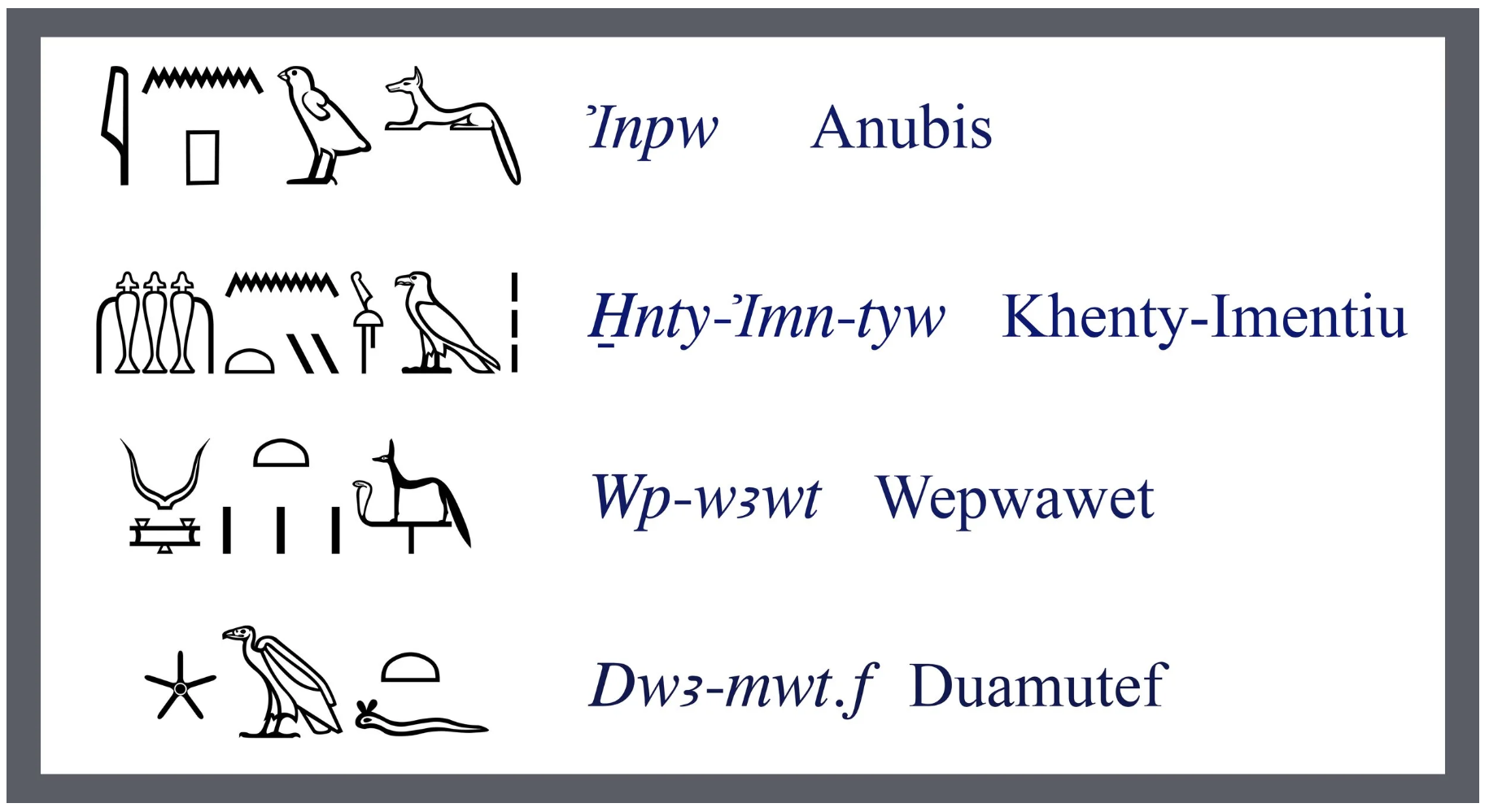
Table 1. List of Egyptian deities that have a “jackal” form, or a close animal comparison (Houser Wegner, 2023).
Anubis is the ancient Egyptian black canine or a human with a jackal head, a god of mummification and funerary rites, the protector of graves, guardian of tombs, and guide of souls to the afterlife. Emerging in the Predynastic period, he famously weighed the heart against the feather of truth, ensuring only the righteous passed to the afterlife. He assisted Isis in inventing embalming to resurrect Osiris, symbolising protection and rebirth, and creating the first mummy. He is also known as the “Lord of the Silent Land,” likely for his connection to the dead who are silent on our side. Anubis protected bodies from being devoured and supervised the weighing of the heart in the Hall of the Two Truths.
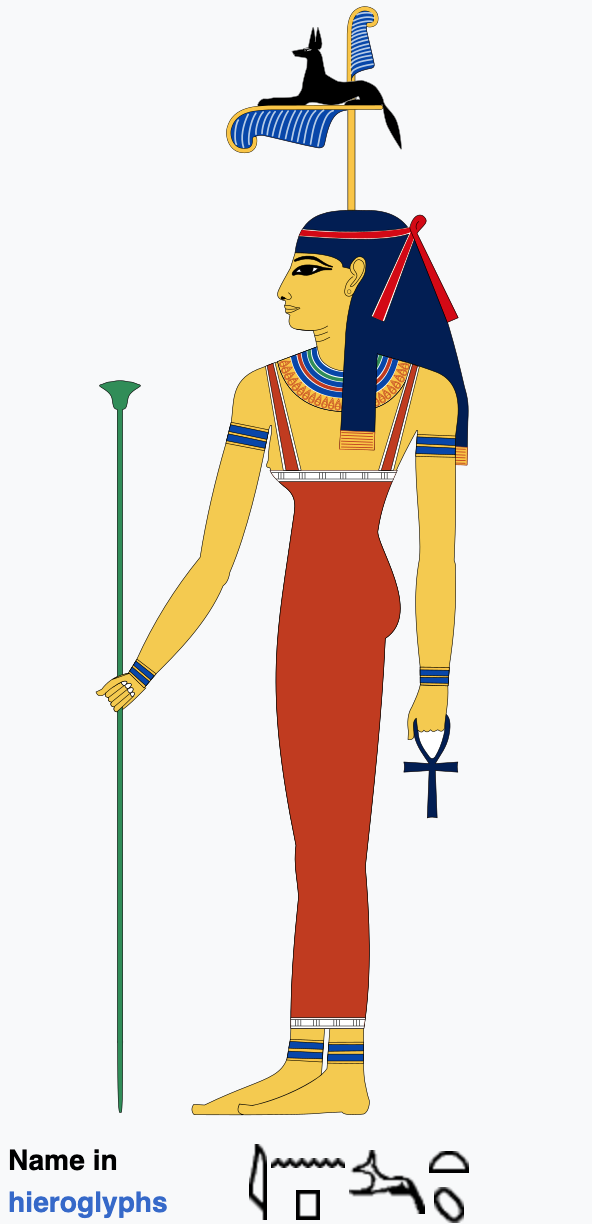
Figure 4. Anput - Anubis’ consort
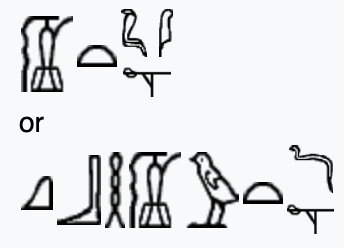
Figure 5. Kebechet (spelt in hieroglyphs as Qbḥt (Qebehet)
The black color of his fur is a symbol of the fertile soil of the Nile, like Osiris, representing rebirth and renewal rather than death itself. However, it also depicts the corpse's discoloration after embalming. Sometimes, Anubis is associated with Wepwawet, another Egyptian god with a dog's head or wolf-like form, often with grey or white fur. Historians believe that these two beings eventually merged through Wepwawet's association with war and death, leading to Wepwawet's recognition as the guide who opened paths to and through the Duat for the spirits of the dead. (Gryglewski 2002: 145) Anubis's female counterpart, or wife, is Anput, a goddess who oversees funerals and mummification (Figure 4). She is also a goddess of protection and is linked to the desert, the domain of the dead. His daughter is the serpent goddess Kebechet, who, in the Pyramid Texts, is described as a serpent that "refreshes and purifies" the pharaoh (Figure 5)(Hart, 1986).
Other symbols include the was-sceptre, the ankh, and the flail. The was-sceptre is an adze-shaped tool used in the ‘opening of the mouth’ ritual, which was extremely important during mummification, enabling the deceased to speak in the afterlife. The ritual was explicitly needed in the weighing of the heart ceremony to answer the 42 gods’ questions. The ankh, like all the other gods, is held to symbolise eternal life. The flail could be associated with the herding of souls to the afterlife. I have no direct evidence for this, but kings historically held the flail to symbolise their authority and control over their people. Additionally, dogs have been known for at least the last 10,000 years, possibly since the Neolithic Revolution (Centre of Excellence n.d.). Another symbol associated with Anubis was the jmy-wt or imiut fetish, named for his role in embalming (Wilkinson 1999: 281). Funerary contexts often depicted Anubis either caring for a deceased person's mummy or sitting atop a tomb to offer protection. During the New Kingdom, tomb seals also depict Anubis sitting atop the nine bows, symbolising his control over Egypt's enemies (Wilkinson 2003: 188–90, Tait 2003).
While, as we will discuss later, Anubis was initially the primary god of the dead, by the Middle Kingdom this role had largely been taken over by Osiris, leaving Anubis as the overseer of mummification and guardian of the deceased. His backstory changed as well. In earlier times, Anubis was considered the son of Ra and Hesat (associated with Hathor). However, after being incorporated into the Osiris myth, he was regarded as the son of Osiris and his sister-in-law, Nephthys, at least by the Romans (Mark 2016).
Contrary to popular belief, especially when it comes to questions on the internet or in movies and TV shows like Stargate SG1 and The Mummy Returns, Anubis was a protector, not an evil god. His pointed ears and long tail sometimes lead people to think he is a cat, but his true form is strictly canine or jackal. Today, Anubis remains an important figure in popular culture, appearing frequently in movies, books, and video games set in Egyptian mythology.
[Like many ancient Egyptian deities, Anubis assumed different roles in various contexts. Depicted as a protector of graves as early as the First Dynasty (c. 3100 – c. 2890 BCE), Anubis was also an embalmer. By the Middle Kingdom (c. 2055–1650 BCE), he was replaced by Osiris in his role as lord of the underworld. One of his prominent roles was as a god who ushered souls into the afterlife. He attended the weighing scale during the "Weighing of the Heart", which determined whether a soul would be allowed to enter the realm of the dead. Anubis is one of the most frequently depicted and mentioned gods in the Egyptian pantheon; however, few major myths directly involve him as a main character (Johnston 2004: 579).]
Journey Through Time
Predynastic to Early Dynastic periods (ca. 4400–2686 BCE)
Early signs of local funerary cults include ceramic objects and figurines depicting canines, thought to protect tombs (Roney, 2022). In some predynastic and early dynastic periods, imagery of the deceased often includes canines or jackals associated with burial rites and tomb protection. Over time, this imagery becomes connected with the figure of Anubis as a distinct deity (Alcouffe et al., 2025). Nonetheless, this evidence remains fragmentary and is generally regarded as part of a broader funerary cult landscape that later integrates themes associated with both Osiris and Anubis (Alcouffe et al., 2025). This era also saw porous boundaries, characterised by a "hazy, multiform phase" in which the roles of deities associated with the dead overlapped, before Anubis became a distinct figure in Egyptian mythology (Johnston, 2004).
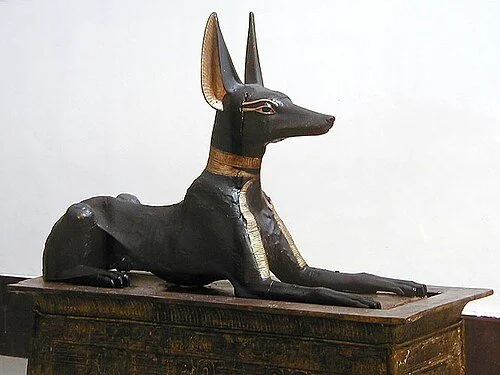
Originally, the Egyptians saw Anubis as a protector of the dead, watching over them from desert hounds that might threaten the resting bodies in Egypt’s ancient cemeteries (Figure 6). As Anubis was one of the most commonly depicted gods in ancient Egyptian art, he appears in royal tombs dating back to the First Dynasty (Johnston 2004: 579; Mark, 2016). Typically, he tends to a king's mummy, assisting in the sacred rituals of mummification and funerals, or standing alongside other gods during the poignant Moment of the Heart Weighing in the Hall of Two Truths. A particularly pervasive image shows him with a human body and a jackal head with pointed ears, either standing or kneeling, holding a gold scale as the heart of the soul is weighed against Ma'at's pure white feather of truth (Figures 7 & 8)(Mark, 2016).
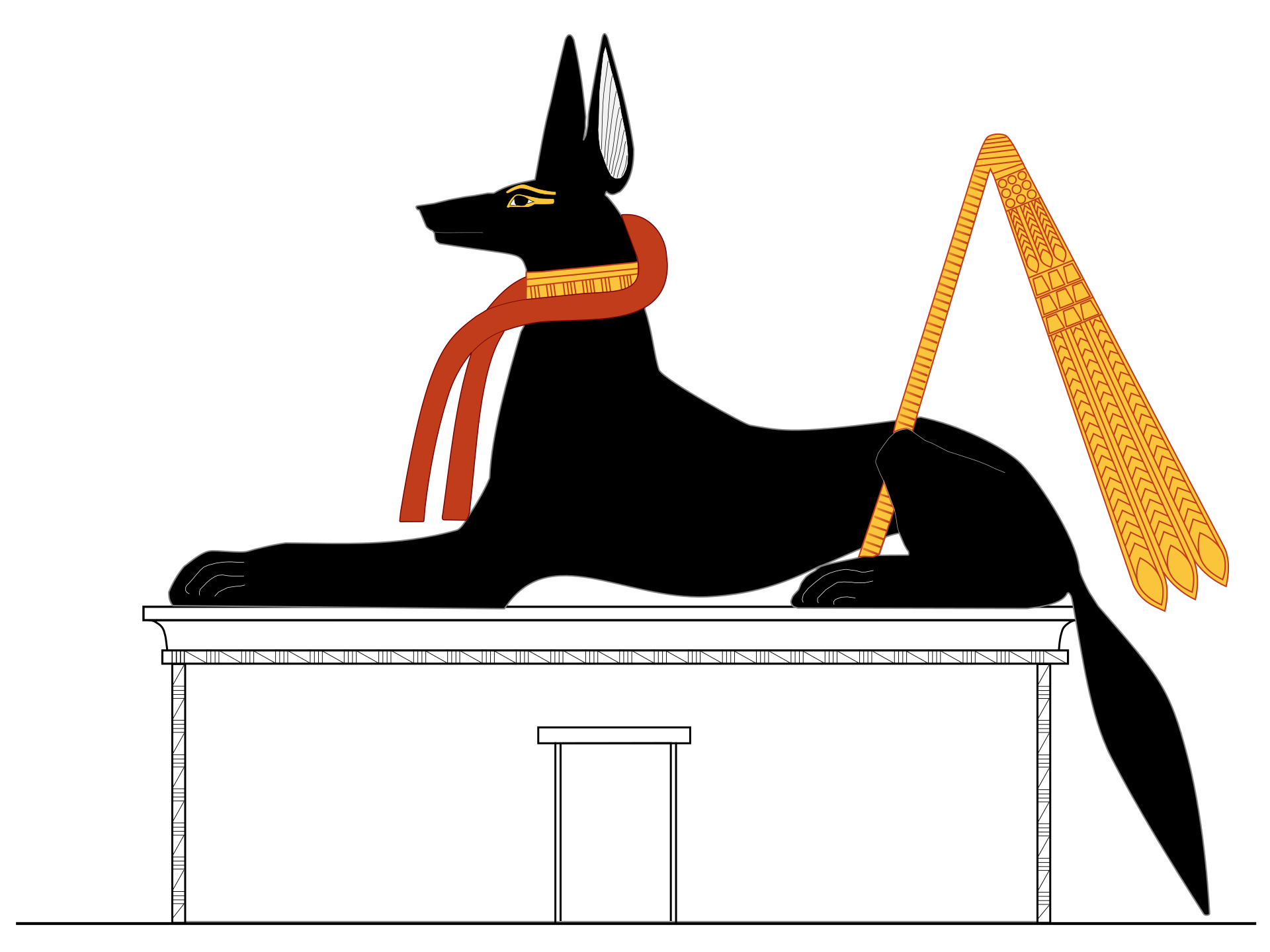
Figure 6. Acting as a protective guardian of the dead and the tomb he is lying on.
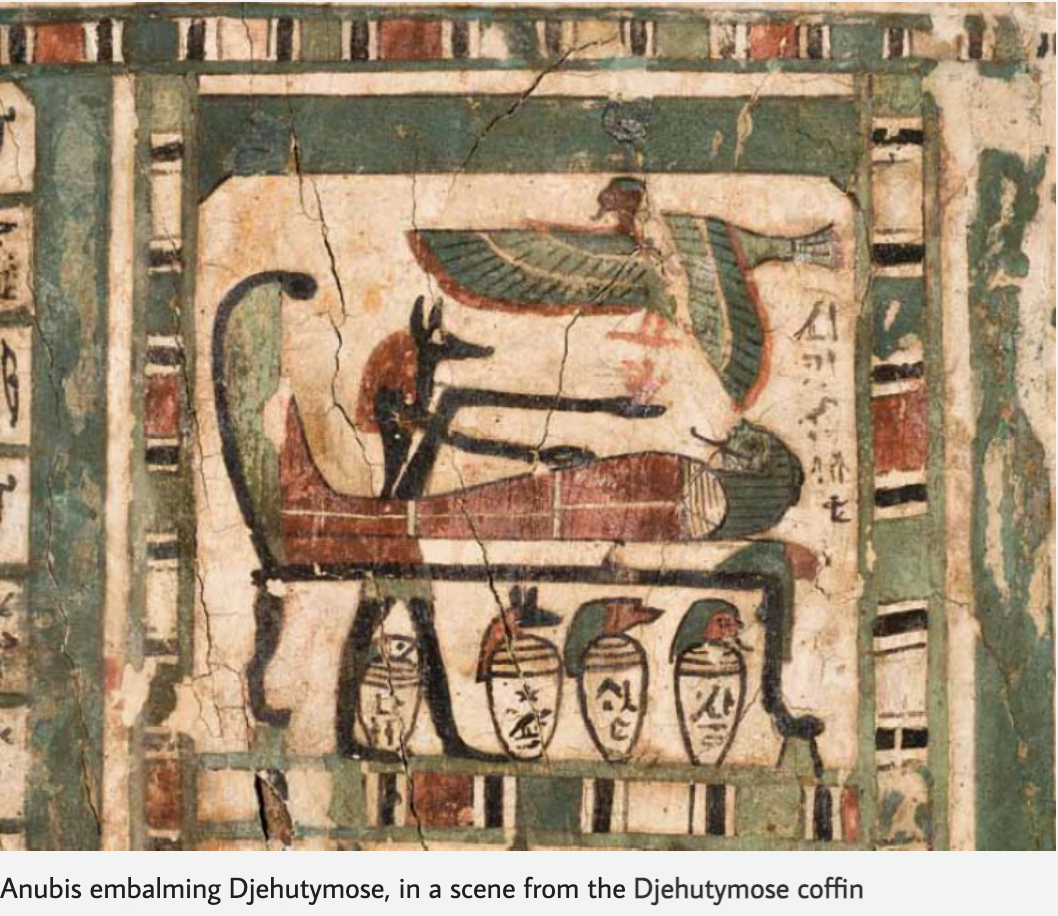
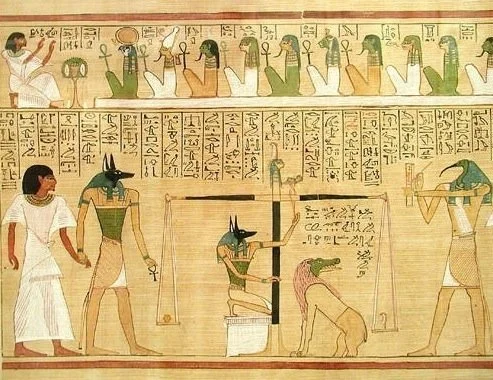
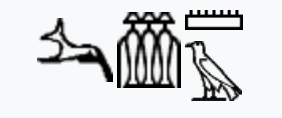
Figure 11. Khenti-Amentiu written in hieroglyphs
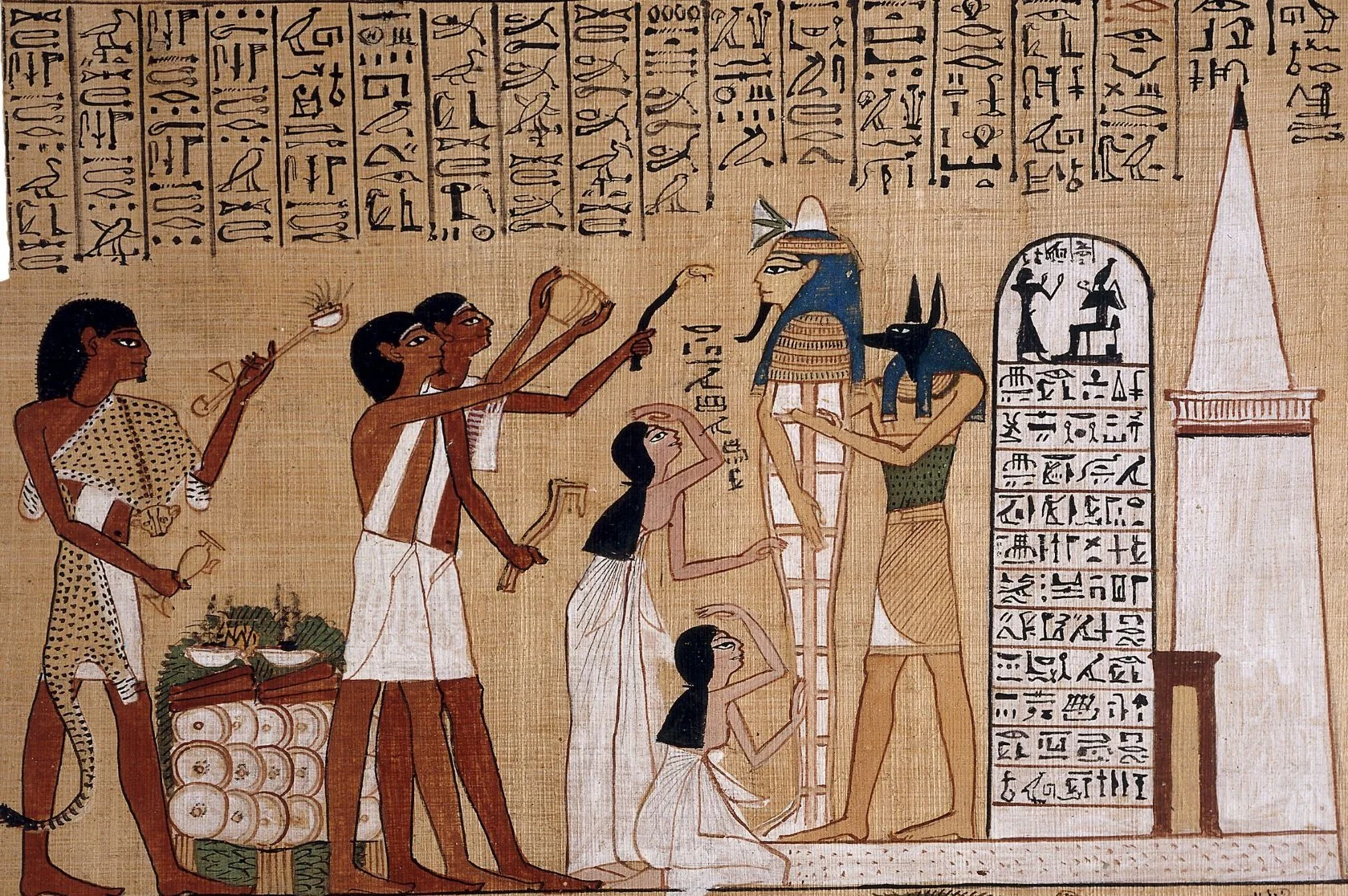
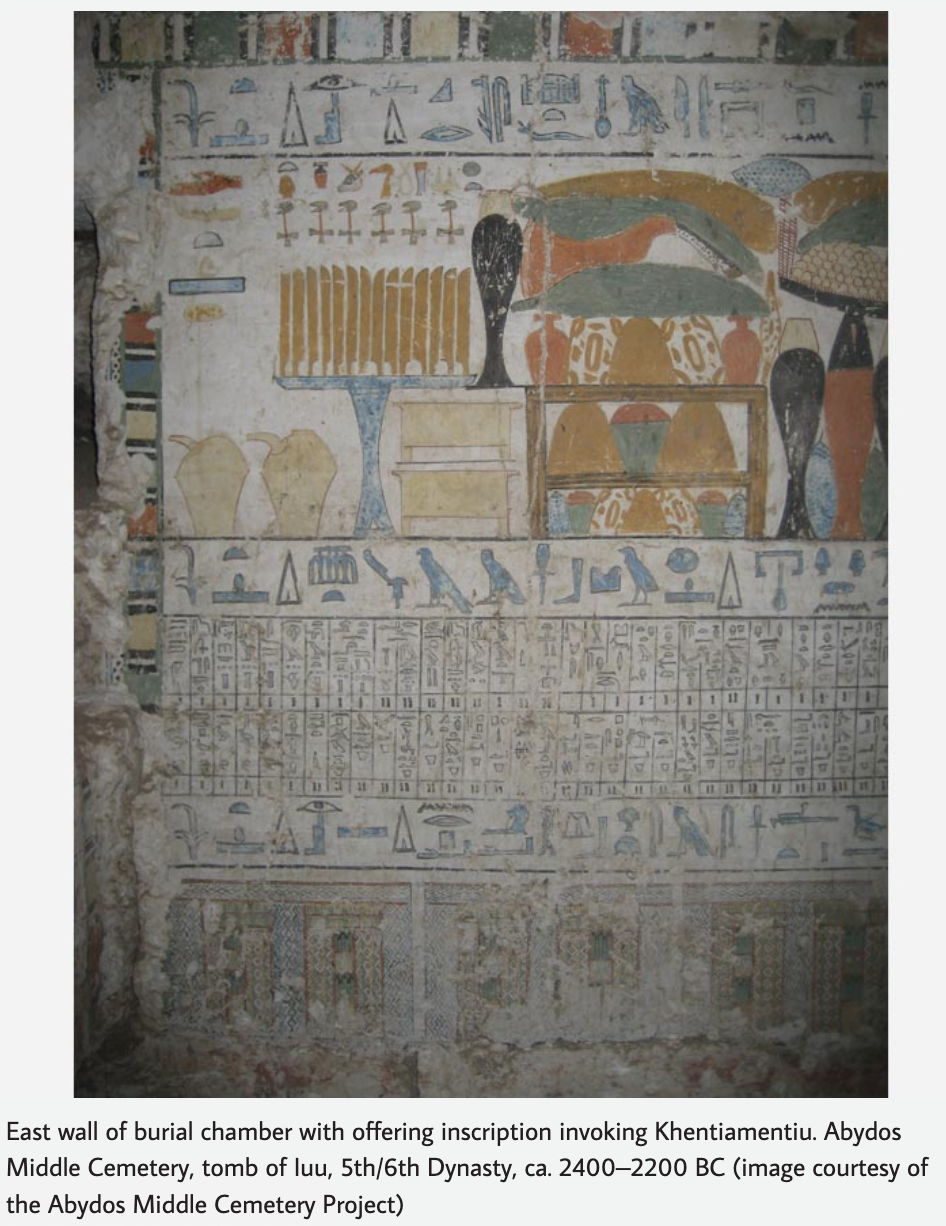
While he played a central role in many early rituals, such as the Opening of the Mouth (a ritual also linked to Sokar), he was eventually associated with Osiris and Ra, who later became more prominent in the Egyptian pantheon (Figure 9). As a result, only the cults dedicated to these major gods continued to honour him. Although his prominence declined, Anubis did not disappear from Egyptian mythology. By the end of the Fourth Dynasty (2613–2494 BCE), he still appeared in funeral inscriptions on tombs. Egyptians continued to see him as a guardian of the royal tombs in the Valley of the Kings at Thebes. For example, archaeologists have discovered paintings in this region depicting nine bows, also symbolising hostile underworld forces associated with him (Figure 10). An early cult center at Abydos was dedicated to Anubis, and some believe he ultimately replaced the local canine god Khenti-Amentiu (Figure 11).
An example of a piece of representative artistic work that depicts something actually used is the Imiut fetish (jmy-wt). It is an ancient Egyptian religious object that appears throughout history (Faulkner, n.d.). It consists of a stuffed, headless animal skin, often feline or bull, tied by its tail to a pole with a lotus bud, then placed on a stand. Found in early funerary rites, its purpose still remains a mystery.
The earliest depiction of the jmy-wt fetish is on a Predynastic lug handle from Naqada IIc-d, showing intestines taken from a sacrificial bird and tied to it (Logan, 1990). During the First Dynasty, it appears on seals and labels from kings like Hor-Aha, Djer, Djet, and Den, where it is linked to ritual killings of prisoners (Edwards, 1972). In 1914, the Metropolitan Museum acquired a find near Senusret I's pyramid (c. 1971-1928 BCE), which was found placed in a shrine. Ancient Egyptian temples sometimes depict the imiut fetish alongside funerary objects. Howard Carter uncovered two models of it in Tutankhamun's tomb. It is interesting to note that the term jmy-wt is believed to have originated as a symbol associated with kingship and transition, resembling a pole used for hanging the intestines of a ritual animal sacrifice. The jmy-wt fetish symbol’s name relates to its etymology, where jmy-wt means "that which is inside," similar to jmyw, which means "tumour" (Logan, 1990). Using this context, scholars reinterpreted the name as connected to embalming, following its association with Anubis and mummification during the Fourth Dynasty, sometimes called the Anubis fetish.
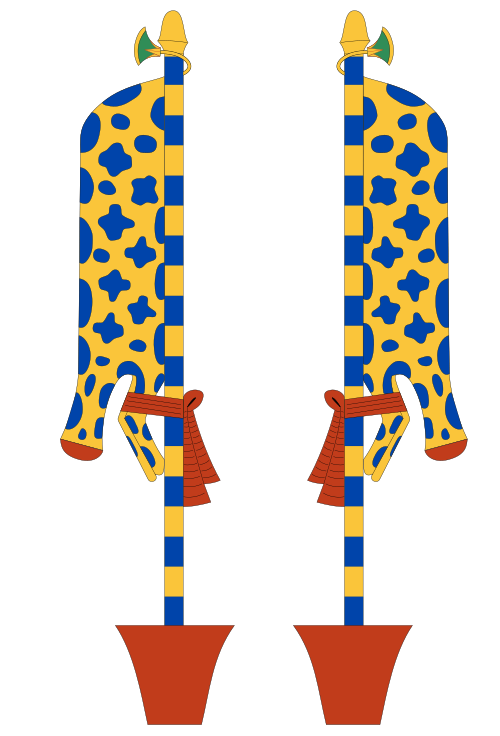
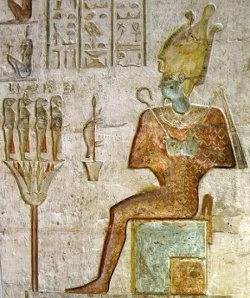
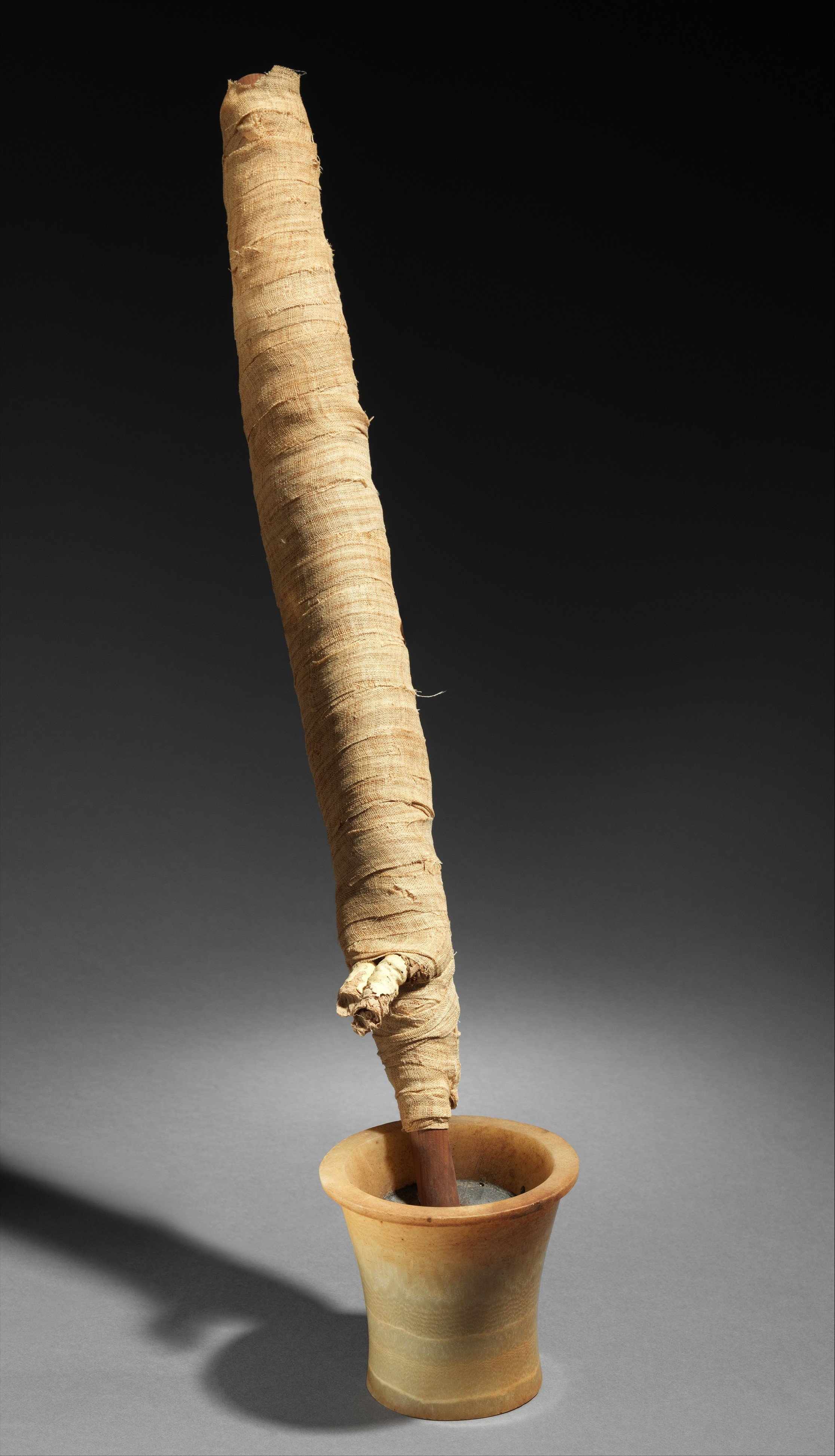
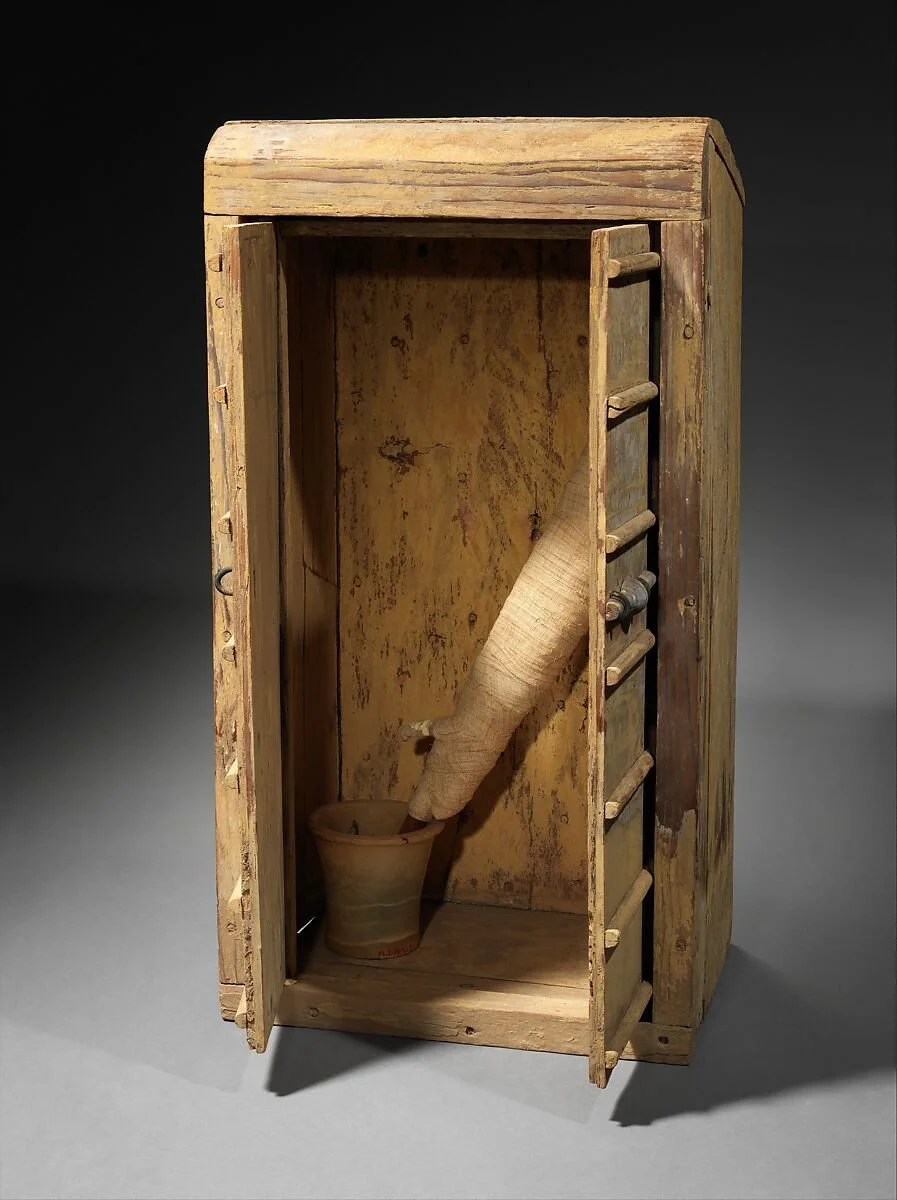
The roles of gods associated with the dead were not separated clearly during this period. Osiris eventually became the main figure in later funerary beliefs, but early artifacts show overlapping functions among gods of the afterlife, including protective spirits around tombs and chthonic gods linked to the Nile and funerary rites (Alcouffe et al., 2025).
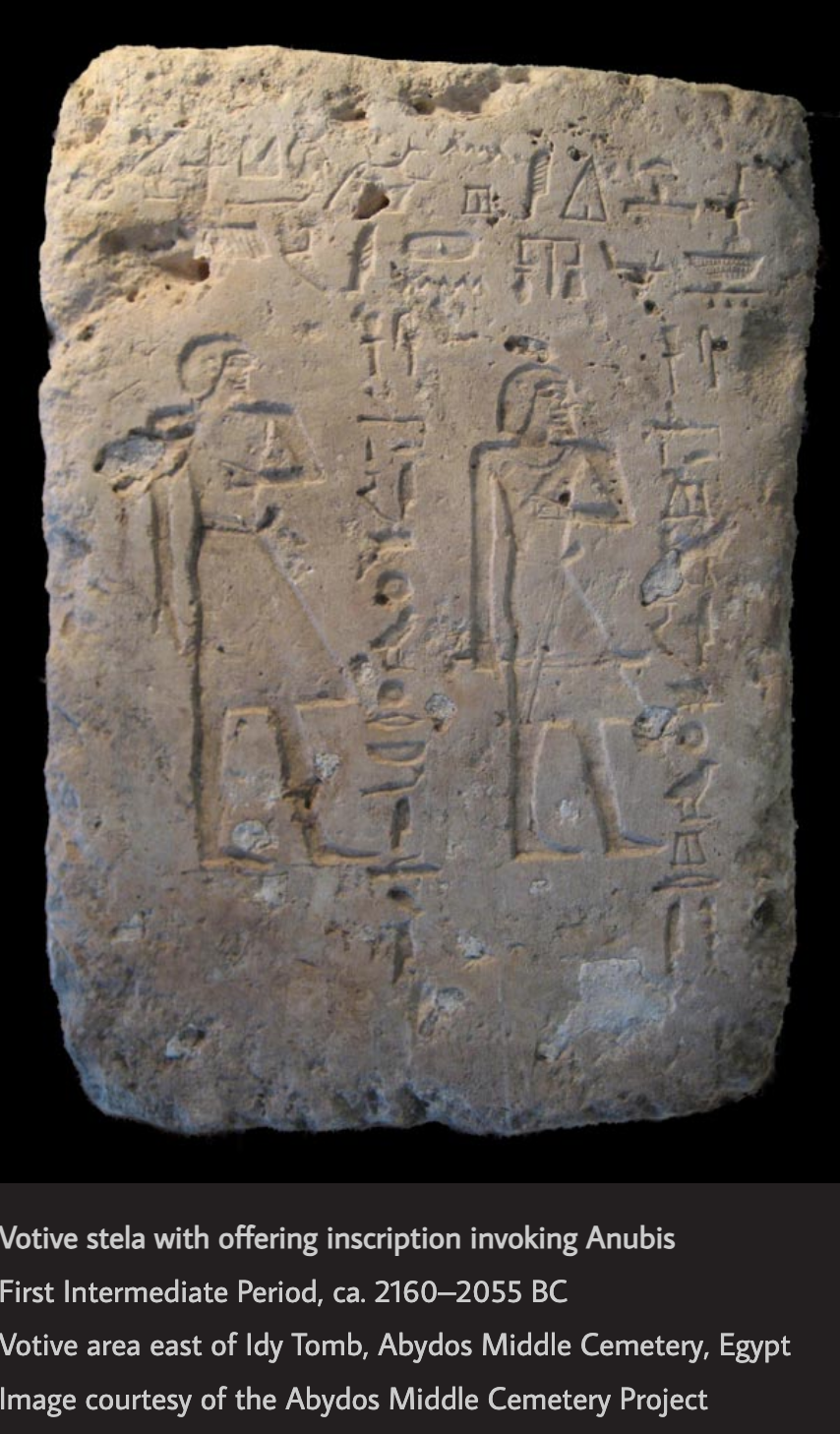
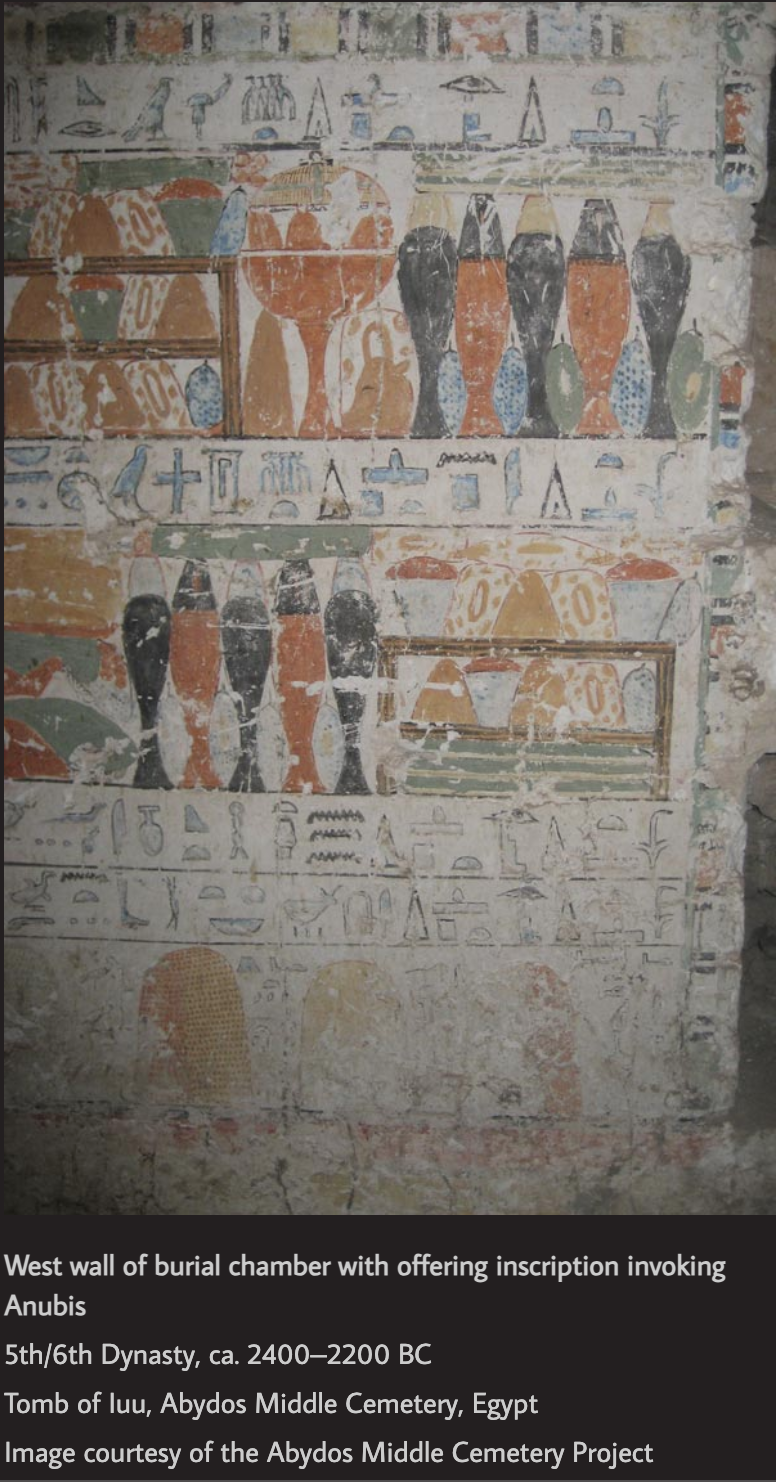
The University of Michigan’s Abydos Middle Cemetery Project, led by the Kelsey Museum’s curator Janet Richards and involving Kelsey Museum staff and Michigan students and alums, reveals Egyptian jackal gods at an important period of transition. The Old Kingdom (ca. 2686–2181 BCE) and First Intermediate Period (ca. 2181–2025 BCE) remains excavated and recorded by the Michigan team provide a window onto the changing roles of Egyptian funerary deities, including the jackal gods Anubis and Khenti-Amentiu, set against the backdrop of one of the most important funerary landscapes in ancient Egypt. The Michigan team’s excavation of Old Kingdom tomb chambers shows the disappearance of Khenti-Amentiu in favour of Osiris. In contrast, votive activity from the First Intermediate Period at an Old Kingdom tomb demonstrates ongoing devotion to Anubis. (Kelsey Museum of Archaeology 2018, 2018a).
Old Kingdom through New Kingdom (2649 - 1077 BCE)
Anubis became a unique and important deity, overseeing the sacred tasks of weighing hearts and mummification. During the Old Kingdom, when key rituals like the "Opening of the Mouth" and mummification were firmly established, he played a central role. High-ranking priests often wore jackal masks to embody him and directly guide the preparation of bodies for the afterlife. One often sees his image in tomb art and funerary texts, highlighting his special role in assisting the deceased. There is still some lively discussion about where Anubis fits in the hierarchy compared to Osiris—whether he is just subordinate or holds equal power.
As time progressed into the Middle and New Kingdoms, Anubis became more commonly depicted in tomb imagery and funerary texts. Recognised as a distinct jackal-headed god, he played a special role in mummification and funerary rituals (Remler, 2010). This change fits within the broader themes of Osirian judgment, in which Anubis oversees mummification, the weighing of the heart, and the safeguarding of the dead in the afterlife. His iconography often shows him engaged in embalming scenes or closely associated with mummification, highlighting his important role in preparing and protecting the deceased (Fahim, 2020).

Figure 20. Stela of the overseer of king's household, king's fan-bearer Ipy with his depiction in front on god Anubis. Limestone, painting. Dynasty XVIII, reign of Tutankhamun. Third quarter of the 14th century BC. Saqqara.
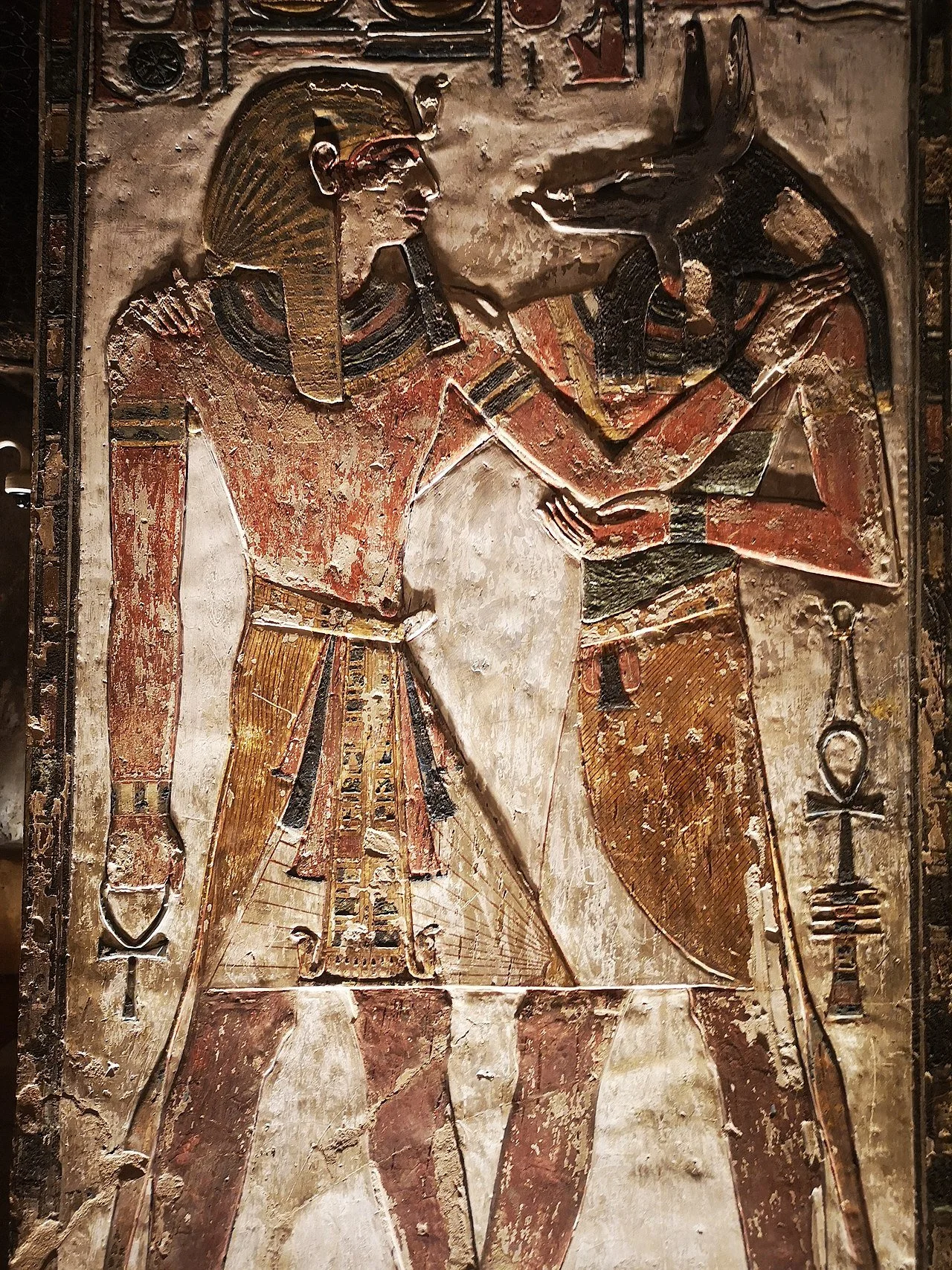
Figure 21. KV17, the tomb of Pharaoh Seti I of the Nineteenth Dynasty, Valley of the Kings, Egypt
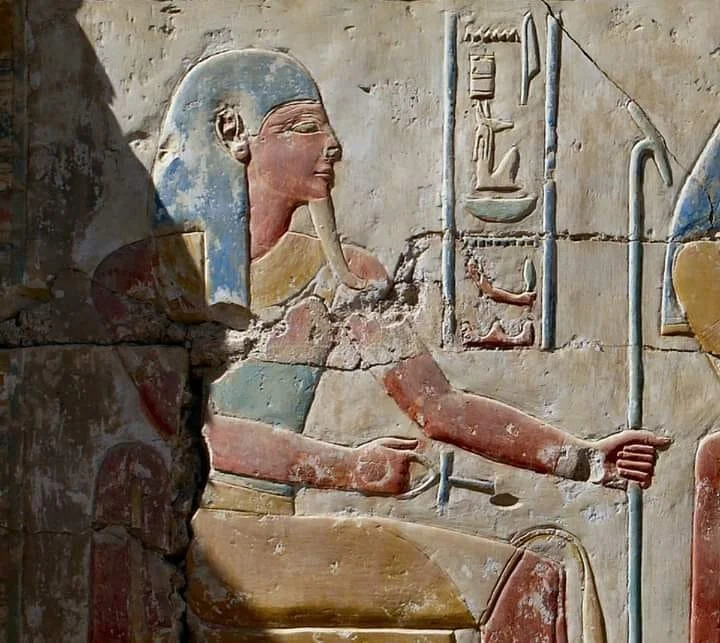
Figure 22. Fully human Anubis wall relief from Rameses II in Dynasty 19.
Throughout textual evidence and temple imagery, Anubis is often associated with the sacred canid precincts near tombs, complementing the more prominent Osiris figure. The focus on Anubis’s protective and embalming roles continues into the New Kingdom, highlighting his importance as a mortuary deity guiding the soul's journey after death (Fahim, 2020). However, scholars continue to debate whether Anubis remains strictly subordinate to Osiris in power and ritual duties or if he shares an equally significant role in the afterlife (Fahim, 2020). A rare depiction of him in fully human form was found in a chapel dedicated to Ramesses II at Abydos, dating from Dynasty 19 of the New Kingdom (Figure 22)(Hart, 1986, p. 22).
Late Period to Graeco-Roman in Egypt: Consolidation and diversification of Anubis’s cult
Consolidation and diversification of mortuary religion occurred under foreign rule and contact with Mediterranean ideas, leading to the expansion of practices. Meanwhile, syncretism continued, with core functions such as embalming and protection remaining central, though they took on broader symbolic meanings associated with the underworld.
During the Late Period and into the Graeco-Roman era, Anubis remains a well-loved figure in funerary art and inscriptions. At the same time, the mythic landscape blooms with greater diversity. The reorganisation and expansion of mortuary religion under foreign influences, along with renewed connections to Mediterranean religious ideas, create opportunities for reinterpretations and richer iconography. Throughout this era, images of Anubis continue to appear on coffins, temple reliefs, and inside tomb chambers. They maintain their traditional role in protection and embalming but also sometimes take on broader symbolic meanings related to the underworld and the judgment of the dead (Fahim, 2020).
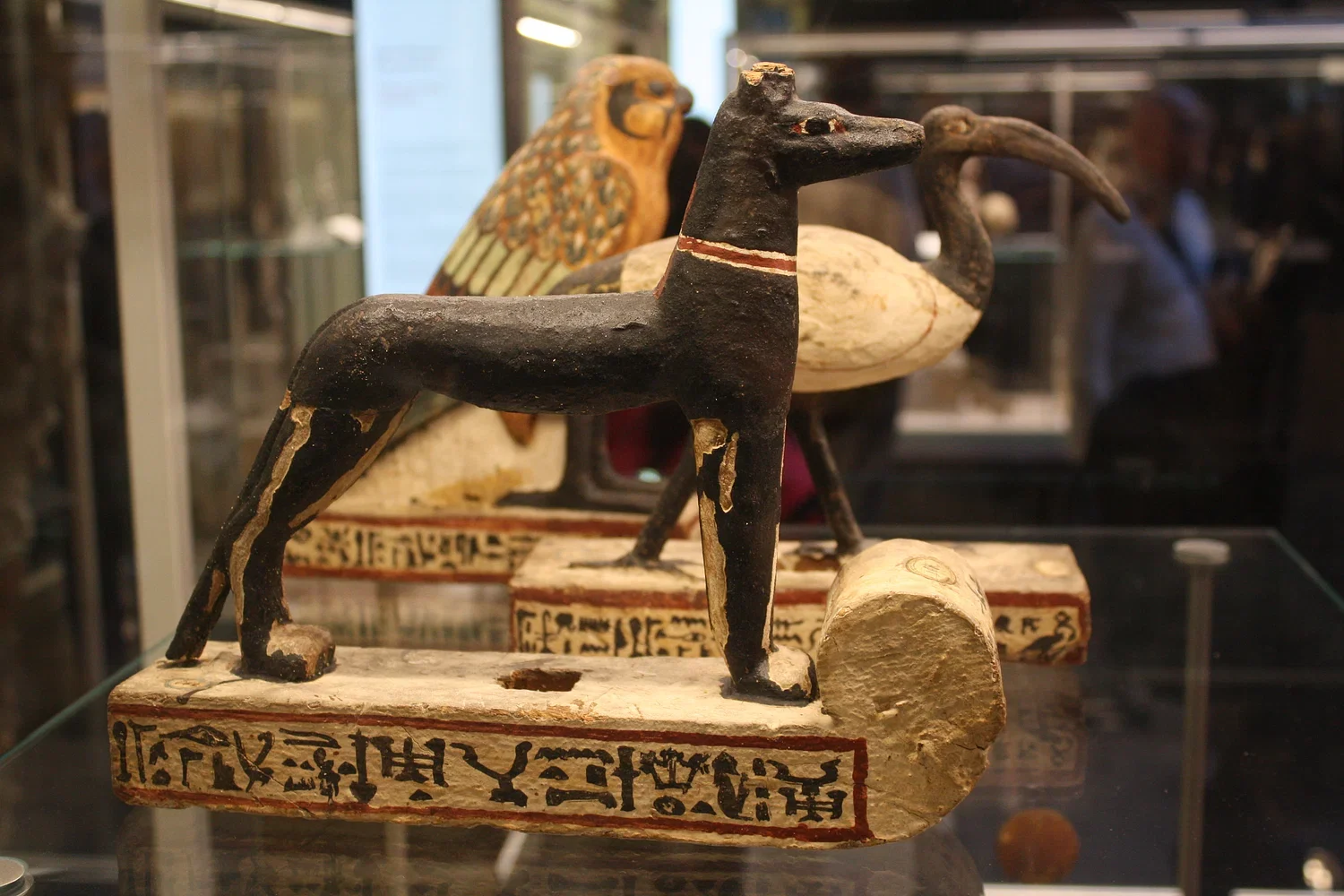
Figure 23. Wooden figures of the Egyptian gods Anubis (jackal), Thoth (ibis), and Horus (falcon). Holes in their bases suggest they were carried on poles as standards for use during funeral processions. Ptolemaic Period, 3rd-2nd century BCE. (Egyptian Museum, Turin)(Cartwright 2016).
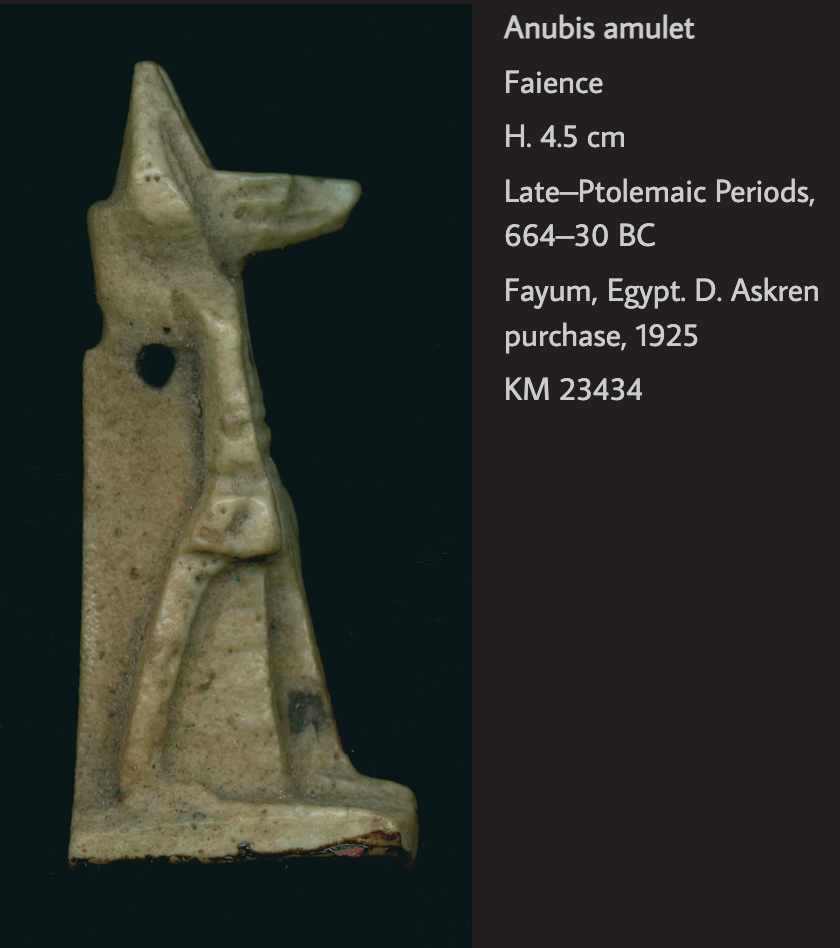
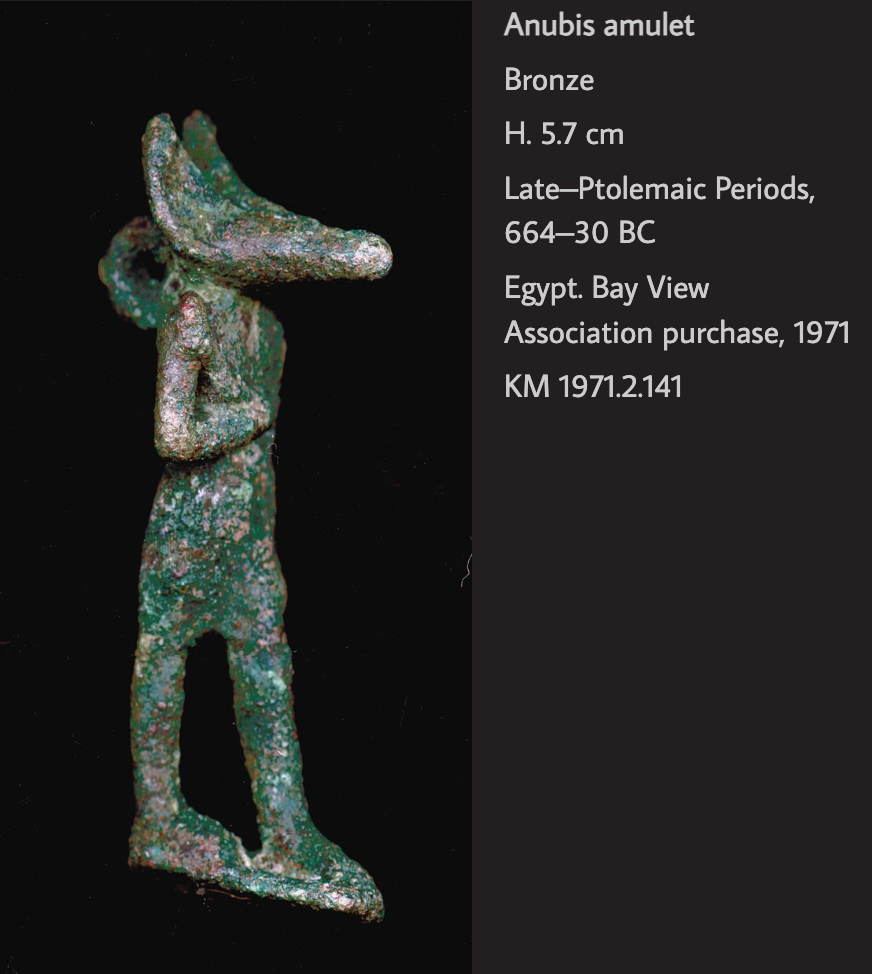
Material culture from this period shows the jackal-headed deity near the mummified body, highlighting Anubis’s comforting role as a guardian and guide in the afterlife. In Late Period and Graeco-Roman art, stylistic features often mix with those of other funerary or underworld deities, reflecting Egypt’s extensive cultural exchanges during foreign rule. This fusion does not diminish Anubis’s fundamental importance but rather introduces a more diverse and further elements to funerary iconography, deepening our understanding of ancient beliefs (Fahim, 2020).
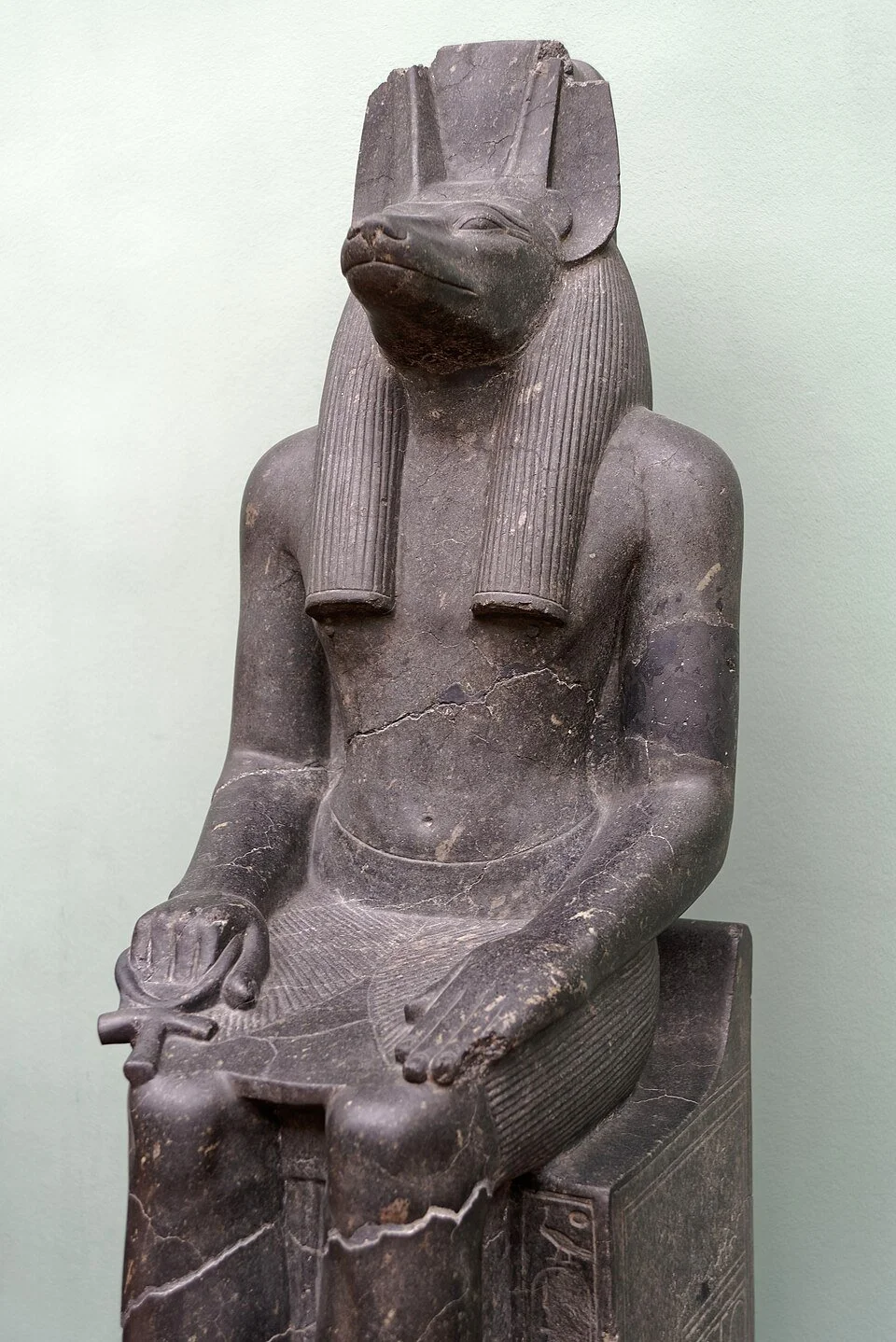
Figure 26. Statue of Anubis
Hellenistic to Roman periods: Anubis within a broader Egyptian and Mediterranean theogony
Hybrid features show how engaging with Greek and Roman religious ideas helped develop new ways of worship. Even though there were stylistic changes in sarcophagi and hypogea, Anubis’s role as a guide and protector stayed consistent. During the Hellenistic and Roman eras, there was a mixture of Egyptian, Greek, and Roman religious beliefs. Anubis remained a prominent figure in funerary art, though local cults began to exhibit distinctive hybrid features and varied worship practices. His frequent depiction on sarcophagi and within underground tombs underscores his enduring role in guiding and safeguarding the spirits of the dead, even as the prominence of other deities fluctuated with changing political regimes (Fahim, 2020). An example of Anubis’s depiction is the Funeral Shroud of Anubis and Osiris, a textile from the 2nd-century CE Roman-occupied Egypt, now in the Pushkin State Museum of Fine Arts in Moscow (Figure 26). It demonstrates at least partial cultural syncretism, merging traditional Egyptian religious beliefs with Roman social identity without significantly altering Anubis’ appearance.
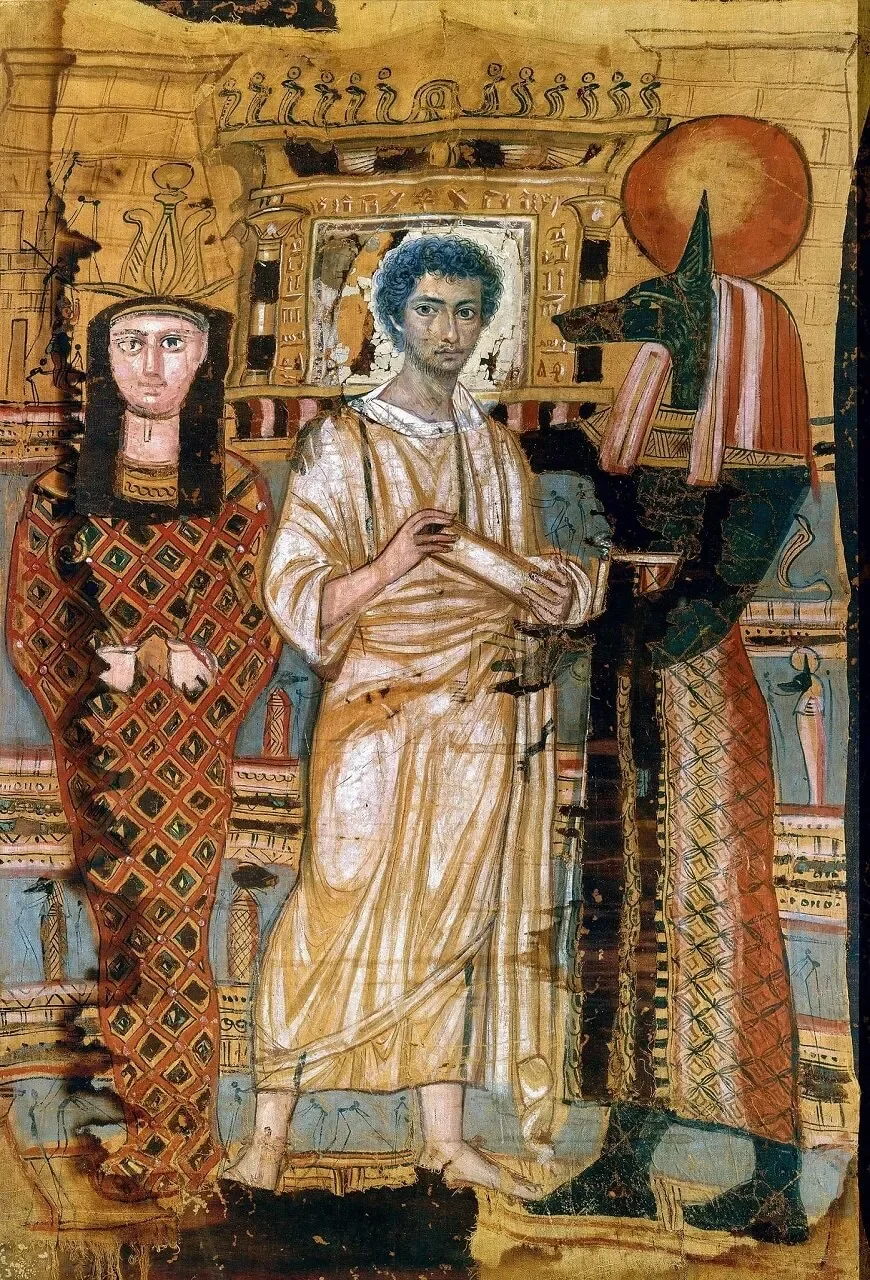
Figure 27. Funeral shroud depicts Anubis and Osiris with the deceased. 2nd century CE. (Pushkin State Museum of Fine Arts, Moscow)
The shroud depicts the deceased at its center, dressed in a Roman-style toga to highlight their high status within the Empire. He is flanked by the still jackal-headed Anubis and Osiris, the lord of the afterlife (Figure 26). This artwork combines different religious elements. It reflects a shift in funerary art, where realistic encaustic or tempera portraits began to replace traditional mummy masks, while symbols like ankhs and sceptres remained meaningful. This artifact illustrates the resilience of Egyptian spirituality amid centuries of foreign influence—from the Persians to the Greeks and Romans—and highlights a steadfast belief in mummification as central to preserving the body for the soul's journey. The mythic and ritual traditions from this period help us see that Anubis’s role as embalmer and protector remained steady. Meanwhile, the wider pantheon and its beliefs show changes in style and interpretation, shaped by cross-cultural interactions and evolving burial customs (Fahim, 2020).
Syncretisms
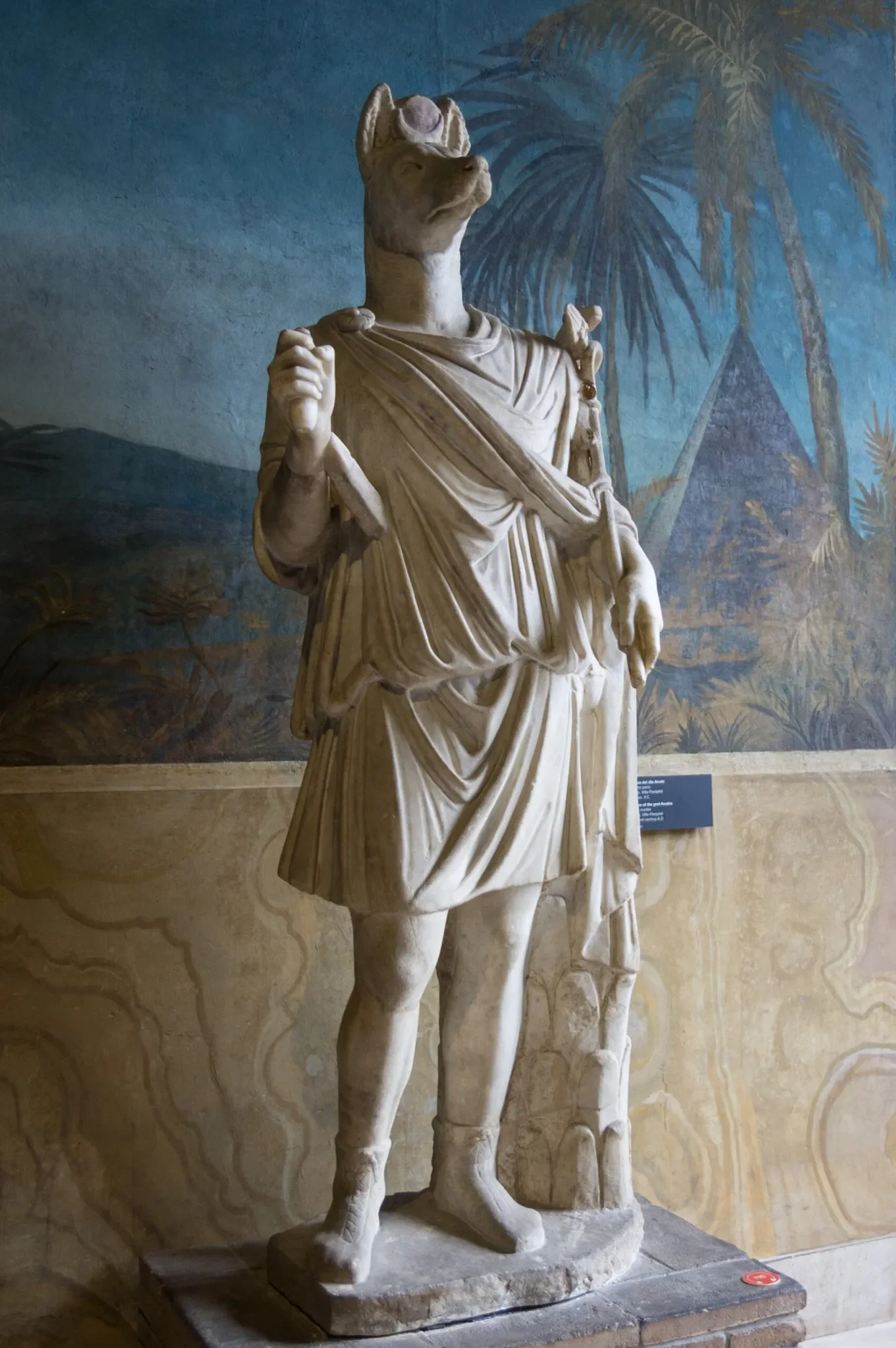
Figure 28. Statue of Hermanubis
Parian marble, 1st–2nd century B.C.
Gregorian Egyptian Museum; Room IV. Vatican Museums
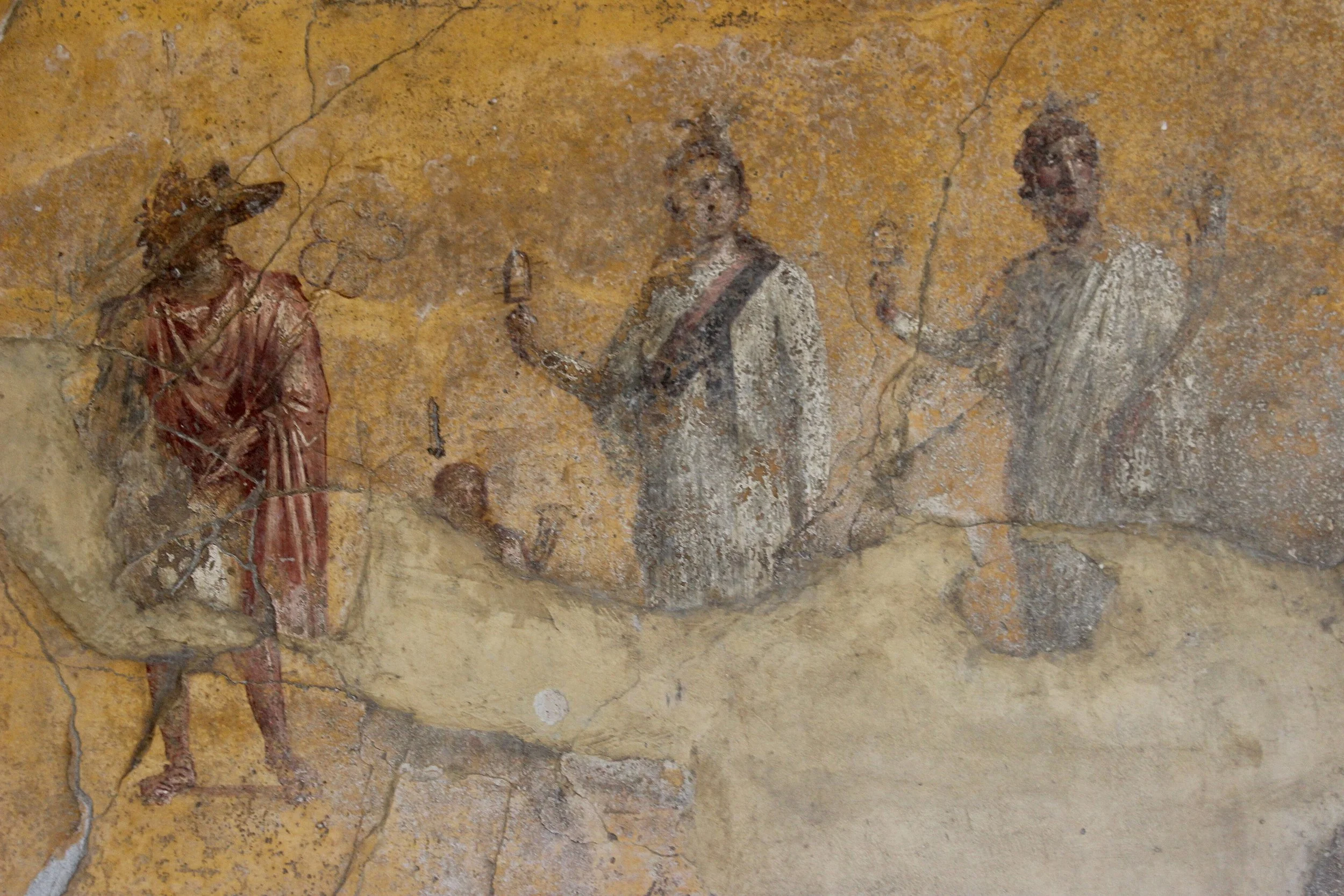
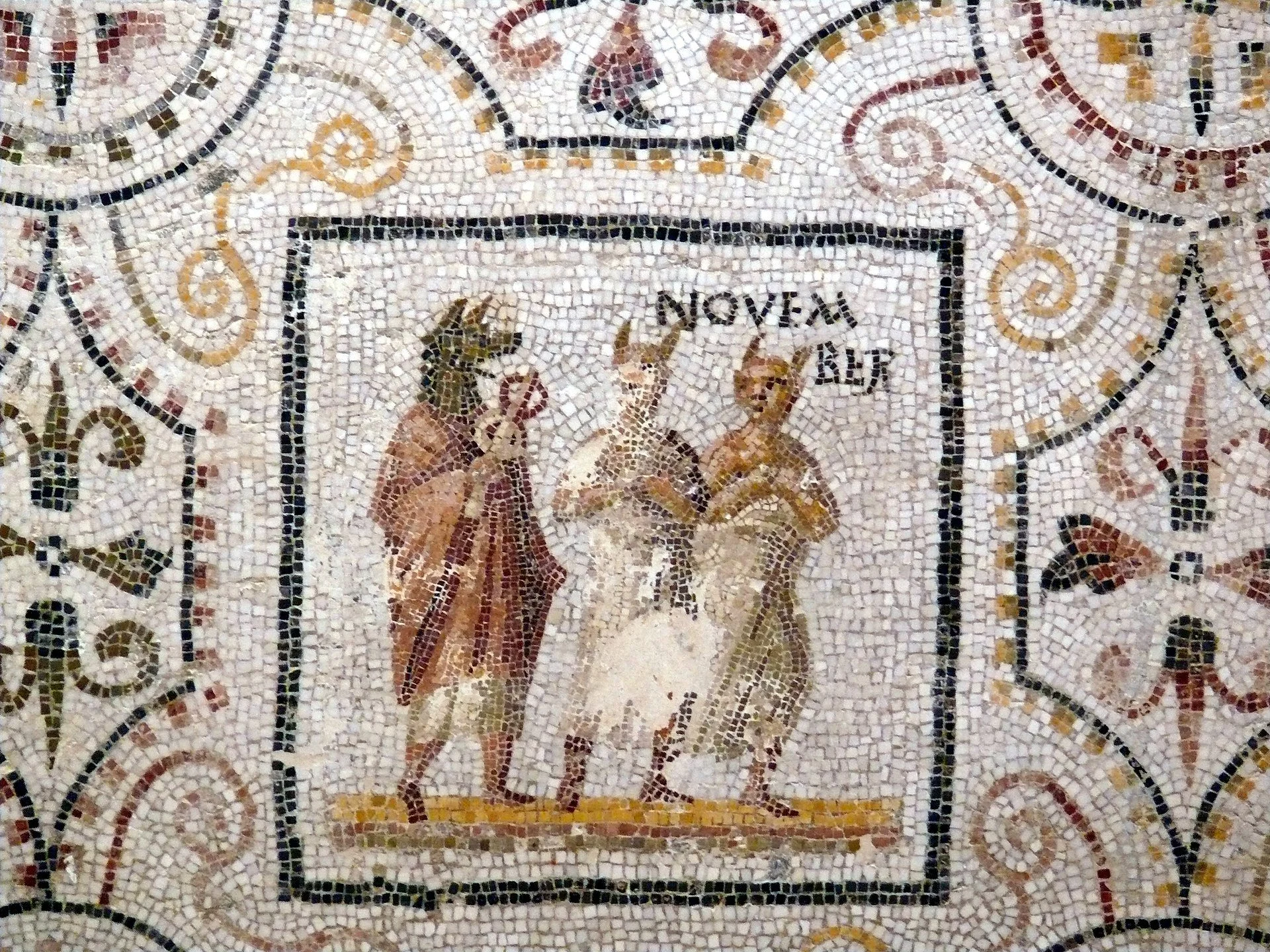
What is so special about Anubis is that he was often syncretised with a single Greek and Roman god, combining them into a single figure, Hermanubis, before being reinterpreted in medieval and modern contexts (Goebs & Baines, 2018; Ahmed, 2019; Kelting, 2024; Ejsmond et al., 2020). While he was talked about in the same context, the underworld, as Hades/Pluto, that syncretism fell to Osiris instead as Lord of the Underworld. The name Ἑρμανοῦβις (Hermanoubis) is known from a small number of inscriptions and literary references, mainly from the Roman period. Plutarch describes the name as referring to Anubis in his role in the underworld. At the same time, Porphyry characterises Hermanubis as σύνθετος (sýnthetos), meaning "composite," and μιξέλλην (mixéllin), meaning "half-Greek." (Porphyry “De imaginibus”, Budge 1904). Merging with Hermes/Mercury, this combined deity held Hermes’ staff, the caduceus with two snakes, symbolising his shared role as a psychopomp, guiding souls into the afterlife and possessing the power to overcome the difficulty of passing through certain barriers. He is sometimes depicted wearing Roman-style robes (Figure 27)(Kelting, 2024; Ahmed, 2019; Goebs & Baines, 2018).
As Greek and Roman cultures spread, Anubis was adapted to suit their religious ideas. Therefore, he was still frequently depicted in coffin and tomb art, portraiture, and funerary ensembles from the Hellenistic through Roman eras, maintaining Anubis’s core roles (Goebs & Baines, 2018; Ejsmond et al., 2020; Borg, 1997; Kelting, 2024). Similar to Sarapis—the Greco-Roman deity merging traits of Osiris and the Apis Bull—the syncretism of this period was more than decorative. It aimed to modify Anubis’s ritual role for a diverse audience, seeking to unify Greek and Egyptian funerary ideas in both ceremony and politics, and to cover scenes of embalming, psychopomp journeys, and underworld guardianship (Kelting, 2024; Borg, 1997).
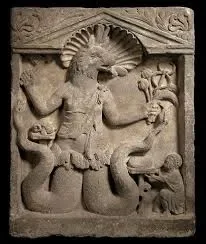
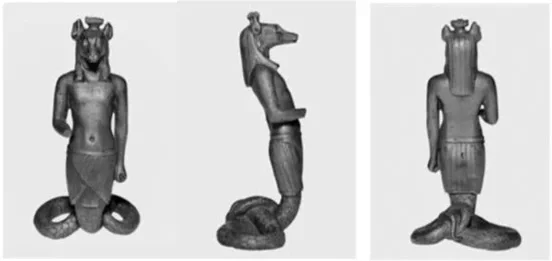
The exact doctrinal relationship between Anubis and Osiris during the Greco-Roman era is still debated. Some scholars suggest that Osiris held a higher status, while others emphasize Anubis’s independent role in hybrid cults (Fahim, 2020; Goebs & Baines, 2018). The way syncretism affected Anubis’s original imagery varies by artifact and context—some highlight the preservation of typical motifs, while others point to significant new iconography, especially in Hermanubis and similar hybrids (Ahmed, 2019; Kelting, 2024). In a myth recorded in the Jumilahc papyrus from the Late Ptolemaic-early Roman Periods, from the 17th Nome of Upper Egypt, where Anubis was worshipped since the Old Kingdom, Anubis transforms into the great serpent Benen to fight Seth and protect Horus. This myth is part of the Contendings of Horus and Seth series and features the caskets of Horus (Figure 26)(Herdman 2025).
Medieval Scholarship
During the medieval period, Anubis transitioned from a widely worshipped Egyptian deity to a figure of interest among European alchemists and philosophers. While his traditional role in Egyptian burial rites diminished, he was adopted into early alchemical traditions, often linked with Hermes Trismegistus (Figure 25)("Thrice-Greatest Hermes"), another syncretic figure combining the Greek god Hermes and the Egyptian god Thoth, before Anubis was largely replaced by him in the Renaissance (The Collector).
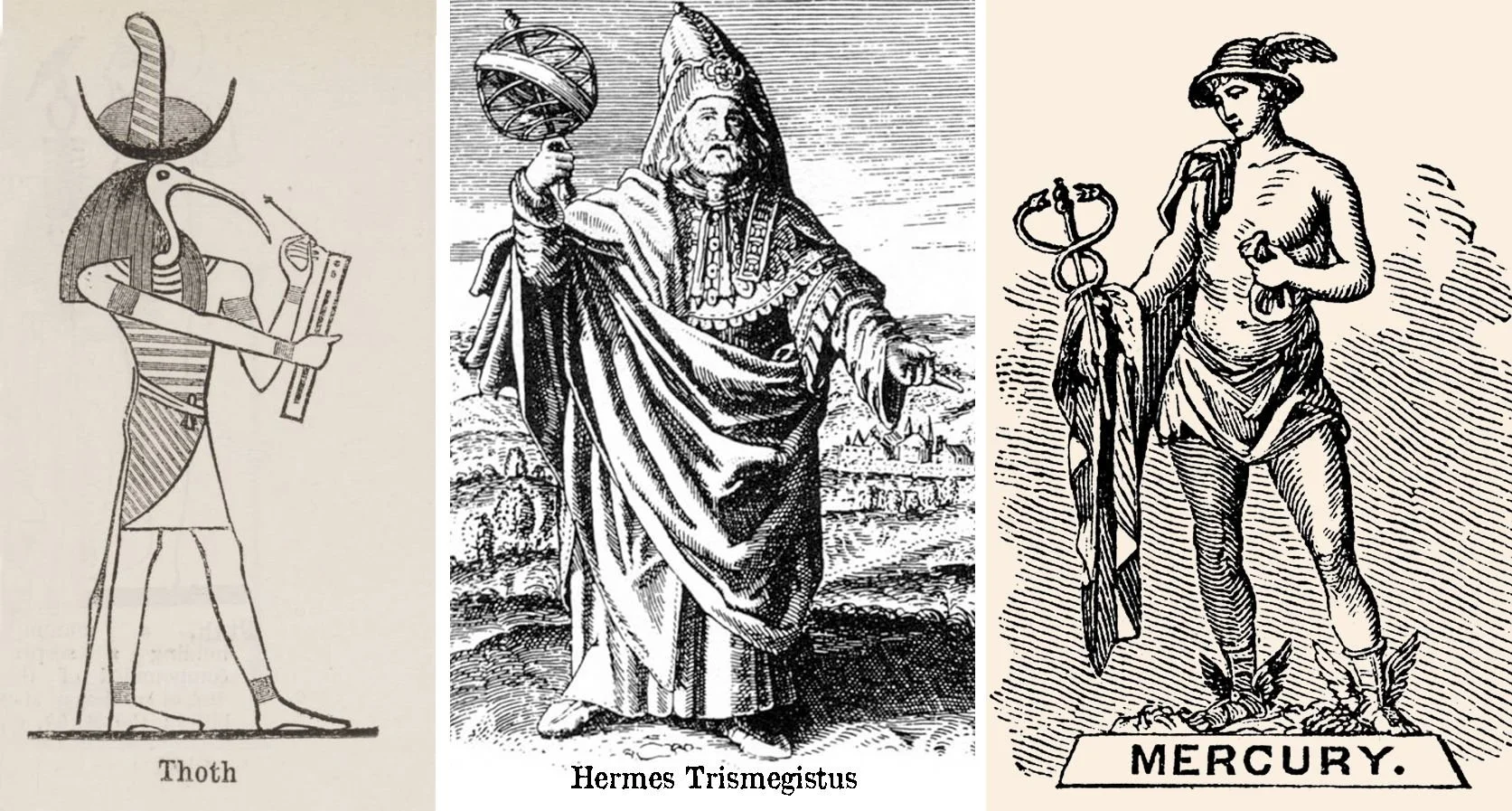
Figure 33. Hermes Trisegistus and his influences
During the Middle Ages in Europe, alchemists and philosophers often drew upon the beliefs of the Ptolemaic Egyptians, keeping the imagery and ideas associated with Anubis alive within their esoteric traditions. While active worship of Anubis had largely faded by that time, his mythological role as a guide to the afterlife and his connection to ancient knowledge continued to influence occult traditions and mystical thought.
Modern scholarly reinterpretations and artistic representations (19th–21st centuries)
Funerary practices remain central to the depiction of mummification in art. Over time, their significance has expanded to encompass symbols of mortality, ritual practices, and ethical issues related to the afterlife, particularly in popular culture and emerging spiritual movements. Moreover, modern insights are increasingly shaped by archaeological findings, typologies, and temple reliefs.
Contemporary scholarship provides fresh insights into Anubis, linking him to ancient funerary traditions and current cultural discussions. He continues to symbolise key aspects of mummification and the journey to the afterlife, maintaining his significance in art and culture. Modern research highlights his role in embalming, as seen in tomb scenes and coffin symbols, reflecting his ancient functions (Fahim, 2020). Today, his meanings have expanded; Anubis is often viewed as a guardian, judge, or guide between life and death. Artists and writers use him to examine mortality, funeral rituals, and moral questions about the afterlife, often depicting his traditional imagery, like the jackal head and mortuary scenes (Fahim, 2020). Furthermore, material culture and archaeology play a crucial role, with artifacts, Coffin Texts, and temple carvings revealing how Anubis’s image and role evolved. This approach allows us to see his consistent importance throughout history while recognising regional and chronological variations in his worship and portrayal (Fahim, 2020).
As artwork continues to depict Anubis in funerary scenes, portraits, and ritual tableaux, modern representations show both respect for traditional iconography and a willingness to explore new ways of portraying the figure’s role and symbolism. The jackal-headed guardian remains a well-known and cherished motif in many artifacts, but increasingly, new works imagine Anubis within broader mythic narratives or as part of engaging dialogues about ancient Egyptian religion and its contemporary interpretations—such as in museums, exhibitions, and popular media (Fahim, 2020).
How Anubis’s changes are reflected in the artwork
Early works from the Predynastic and early dynastic periods depict Anubis-like symbols in elaborate funerary contexts, rather than as fully developed, standalone figures. The lack of a centralised cult for Anubis at this time is evidenced by the diverse tomb imagery and canine symbols scattered across various regions (Alcouffe et al., 2025). From the Middle Kingdom onward, Anubis is recognised as a distinct mortuary deity with key roles in embalming and protection, frequently depicted in tomb reliefs and coffins alongside Osiris, particularly during mummification and the journey to the afterlife. This period marks a unification of symbols and beliefs, with common motifs such as embalming scenes, heart weighing, and tomb guardians becoming standard (Fahim, 2020). In subsequent periods, Anubis’s artistic representation remains true to his core functions but also integrates into a broader universe of underworld imagery. The repeated depiction of the jackal-headed figure near the deceased, along with occasional feature blending, illustrates how his iconic form persisted even as art incorporated various cultural influences (Fahim, 2020).
Iconographic Changes Across Periods
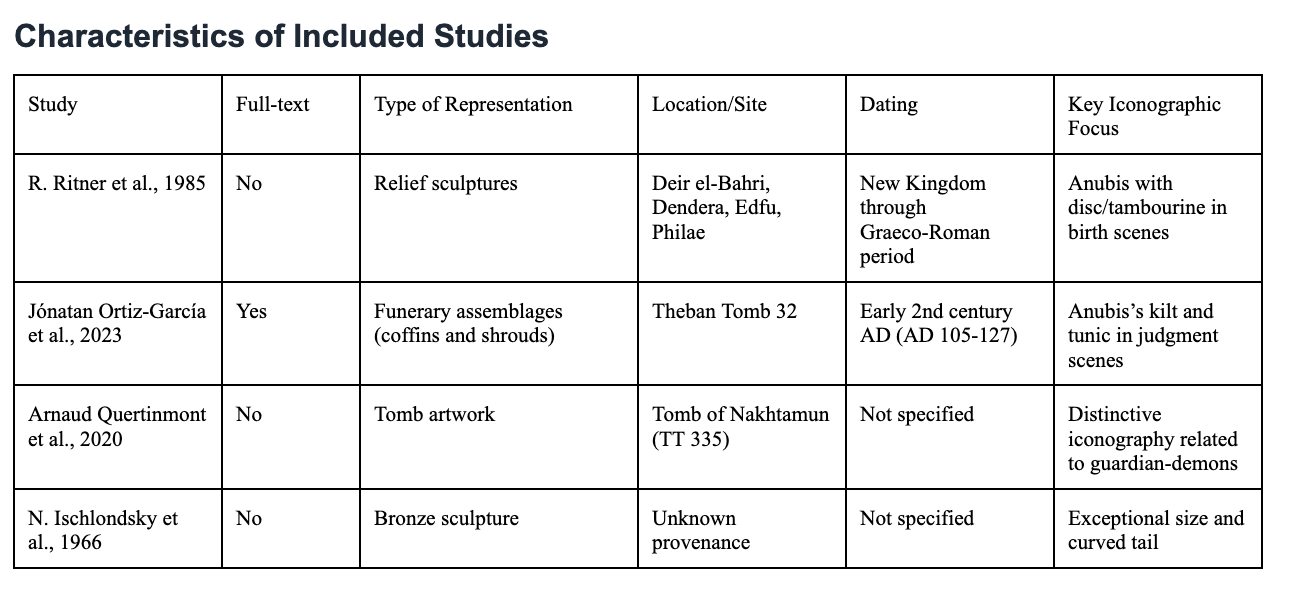
Table summary from AI
Postural Variations
The evidence shows that Anubis’s pose varies considerably depending on the time and place. For example, at Deir el-Bahri, the earliest picture shows Anubis bent over a large, smooth disk. This bent pose is very different from later depictions, such as the one at Edfu, where Anubis stands holding a small tambourine. The shift from a bending to a standing pose seems more related to local religious interests than to a simple passage of time, especially since both styles coexisted during the Graeco-Roman period.
Evolution of Clothing and Adornments
The most detailed records of how things changed over time are found in the Roman-period funerary assemblages from Theban Tomb 32. Anubis is shown wearing a šnḏyt-kilt paired with a tunic that reaches from the waist down to the ankles. We see a clear evolution in the design of the tunic: earlier examples from 105-109 CE feature a woven reticulated pattern, while later ones from 123-127 CE showcase simpler vertical lines or less complex decorations. This shift reflects a move away from intricate patterns toward a more Roman, straightforward, minimalist style within a single generation. The fact that this shift occurred within a single generation during Hadrian’s reign highlights how political integration played a meaningful role in shaping these visual updates, making the evolution even more significant. This transformation reflects broader changes in the depiction of central figures on shrouds and coffins, highlighting the growing influence of Rome on Egyptian funerary art.
The gradual simplification of Anubis’s tunic pattern within 20 years illustrates how cultural influences can inspire rapid change. As decoration became more straightforward, it coincided with the wider adoption of Roman styles in Egyptian funerary dress. Notable figures started wearing white tunics with black stripes, a distinctive feature of Roman fashion. Plus, the original design of this garment appears to have started as a cloak and then evolved into a tunic.
Physical Attributes
Physical features tend to remain consistent, but occasionally show interesting variations. For instance, traditional depictions often illustrate a long, straight tail, as seen in Tutankhamun-era art. However, one bronze sculpture is notable for its naturally curved tail, which sets it apart. Interestingly, this sculpture is also the largest bronze Anubis known in various museums, suggesting size differences can be significant. Nonetheless, given our current knowledge, it’s difficult to determine whether these differences result from evolutionary changes over time or from functional differences.
The curved-tail sculpture poses an interpretive challenge due to the absence of provenance, dating, or ritual context. Since we're not sure whether this piece is from a particular dynasty or region, it's hard to say whether the curved tail represents a new style, a regional difference, or just an artist's own touch. Its impressive size could suggest it was used in special rituals, but without archaeological details, it's difficult to place it within a specific development timeline.
Associated Objects and Ritual Implements
Objects related to Anubis vary widely by location and purpose. In birth scenes, Anubis is depicted with a large, smooth disc at Deir el-Bahri, but at Edfu, this disc becomes a clearly identified tambourine that Anubis strikes to please Hathor and Isis. The tambourine at Edfu is notably smaller than the Deir el-Bahri disc and is held by a standing rather than a bending figure. The prominence of Hathor and the special importance of music in her cult might help explain these local differences at Edfu and Deir el-Medina. This regional variation reflects a unique iconographic tradition, yet it aligns with the typical depictions of tambourine players.
Ritual Context Evolution
The contexts in which Anubis appears in rituals show a variety of roles rather than a simple evolutionary development. The earliest recorded scenes depict Anubis participating in divine birth ceremonies associated with the process of labor, protecting it, preventing miscarriage, and its pain and relief (جميل, إ. 2021; Gasparro, 2018; Winkler, 2022). This tradition of birth scenes lasted for over a thousand years, reappearing in the mammisi of Nectanebo I at Dendera and later becoming a common feature in Graeco-Roman birth houses at Edfu and Philae, and in the temple of Augustus at Dendera.
Meanwhile, Anubis continued to serve as the psychopomp in funerary contexts, leading the deceased to judgment before Osiris. This function is illustrated in the Book of the Dead (spell BD 125) and in related iconography. The distinctive imagery in Nakhtamun's tomb connects to armed guardian-demons from the Book of the Dead, Chapters 145 and 146, further highlighting Anubis’s association with protective duties in the afterlife. However, as they are described only in abstract terms, it is difficult to fully understand their place in history or their meanings, and it's hard to say whether this reflects new ideas or ongoing traditions without seeing the complete iconographic analysis.
Regional and Cultic Specialisation
The different ways Anubis is depicted—whether bending or standing, holding a disc or a tambourine, or having a straight or curved tail—actually make sense in context. Instead of seeing these as contradictions, we can understand how they all fit together.
The various postures and tools observed at Deir el-Bahri and Edfu reflect different religious emphases rather than evolutions over time. At Edfu, where Hathor played a central role and music was vital to rituals, the depiction of the tambourine fulfilled specific liturgical functions. This custom also appeared at Deir el-Medina and Esna, indicating a consistent regional pattern linked to Hathor worship. Meanwhile, the Deir el-Bahri scene focuses on participation in birth-related rituals without incorporating music, featuring a larger disc whose precise significance remains uncertain.
Both traditions coexisted during the Graeco-Roman period. This shows that iconographic variation was influenced more by functional and geographic factors than by the simple replacement of one form with another over time. The fact that both traditions continued side by side suggests that neither can be strictly called “innovative” or “traditional"—they each have their own enduring value.
Continuity in Core Functions
Despite variations in posture, clothing, and objects, Anubis’s core roles stay consistent, although some iconography has evolved. Changes in details like clothing, stance, and tools resulted from regional traditions and external influences. His involvement in divine birth scenes at Deir el-Bahri continues into the Graeco-Roman period, and his role as a psychopomp guiding souls to judgment remains significant in funerary contexts. Connections with Hathor and Isis, seen in birth scenes and musical settings, show stable theological associations. Major deviations from tradition mainly occur in Roman culture, with regional differences reflecting related, rather than sequential, traditions.
Points of scholarly agreement and nuance
There is consensus that Anubis developed into a unique funerary deity associated with embalming during the Middle to New Kingdom periods, although its connection to Osiris remains debated regarding hierarchy and authority in the underworld (Fahim, 2020). Some researchers emphasise the complex funerary cult landscape of the predynastic era as a foundation for Anubis’s later development; others note that later depictions clearly show Anubis as an independent guardian figure, distinct from Osiris in ritual functions, though stylistic similarities with Osiris are well documented (Alcouffe et al., 2025; Fahim, 2020).
In modern reception, both scholars and artists debate whether Anubis serves as a fixed doctrinal figure or a flexible symbol subject to reinterpretation. Artistic and museum displays reveal both continuity with traditional iconography and a willingness to explore new meanings, reflecting a dynamic evolution rather than a simple or definitive development (Fahim, 2020).
Stargate SG-1
Anubis was THE big bad from season 5 til season 8 (the best ending season of the show - fight me), although in season 5, he was the shadowy entity pulling strings in the background. That is, until he was reinstated as a System Lord… but I’m getting ahead of myself. The history of Anubis in the Stargate universe is defined by his unique status as a half-ascended Goa'uld.
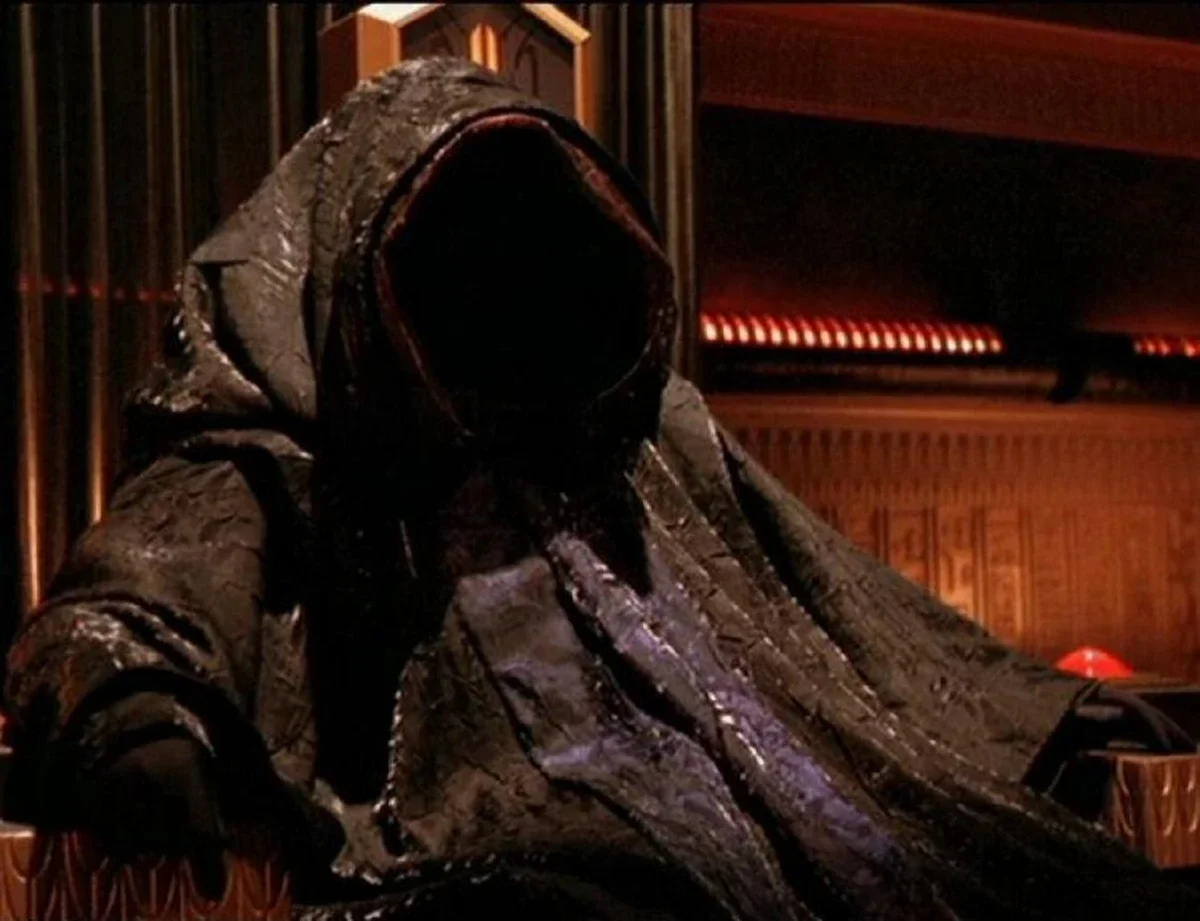
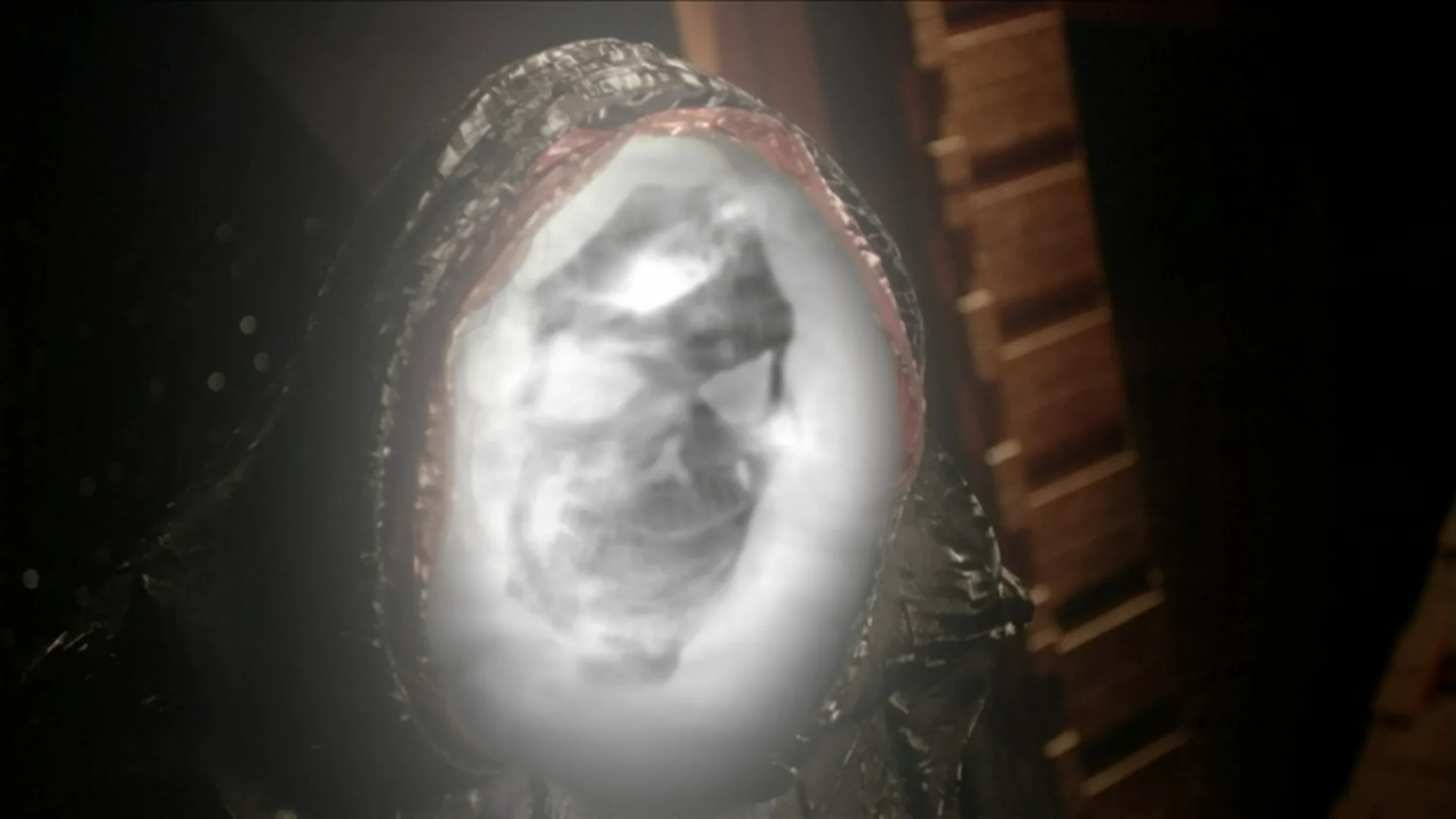
In the show’s Ancient History (Pre-Series), Anubis was originally a powerful System Lord. Anubis was so ruthless that his crimes were considered "unspeakable" even by other Goa'uld. Thousands of years ago (with no specific dates, of course), Ra led a coalition to defeat him, resulting in his exile. During his exile, Anubis came across a deserted city of the Ancients and discovered research into the secret of Ascension. To pursue this power without interference from his rivals, he allowed the other Goa'uld to believe he had been successfully executed or destroyed, giving him the centuries needed to study. He eventually located the planet Kheb, a world where the rogue Ancient Oma Desala resided, which, as Bra’tac tells the SG-1 team, is the place that Jaffa long to go to for true freedom. Especially after the Buddhist-like monk tells them that there is no way to ascend while the symbiote is inside the body in “Maternal Instinct" because they are pure evil.
While the monk and temple at Kheb are modelled on Buddhist Tibetan monasteries, the name is based on real Egyptian mythology, which the show accurately calls out as the place where Isis fled with the infant Horus, even though in most mythology it’s known by the name Buto (“Maternal Instinct” 2000, Massey 1907).
I may be getting into the papyrus here, but Kheb is also a shortened iteration of Qebhet (also known as Kebehwet, Kabechet, or Kebechet), a benevolent goddess of ancient Egypt. She is the daughter of the god Anubis, granddaughter of the goddess Nephthys and the god Osiris, and the personification of cool, refreshing water, as she brings drink to the souls of the dead in the afterlife Hall of Truth (Mark 2014). In the Pyramid Texts, Qebhet is referred to as a celestial serpent who "refreshes and purifies" the pharaoh (Hart 1986: 26). Qebhet was thought to give water to the spirits of the dead while they waited for the mummification process to be complete. She was related to mummification, in which she would fortify the body against corruption so it would stay fresh for reanimation by the deceased's ka. In the mythology, this doesn’t have to do with the Kheb in Lower Egypt, but maybe the Stargate writers saw this care as a motherly act and, with the connection to Anubis, decided to tie it all together.
When watching the show straight through, one is meant to ask (and Daniel actually does in the season 8 episode “Threads”) how Anubis could have ascended at all? Even though he was only halfway there? Well, since Anubis was manipulative and, one could argue, intelligent, he managed to pass the tests Oma Desala required of those seeking to ascend, successfully deceiving her into believing he was a worthy and enlightened soul. By the time Oma Desala realised his true nature, the process had already begun. Although the Others (the Ascended Ancients) attempted to cast him back down, they only succeeded in leaving him in a "half-ascended" state, trapped as an energy being between the mortal and higher planes. During the show, they never get involved in ANYTHING he does, even when he attempts to wipe out all life in the galaxy, so he can remake it how he sees fit using a piece of ancient technology.
In the show's modern timeline, from 2001 to 2005, his methods evolve alongside his power. Anubis begins gathering underlords such as Osiris and Zipacna to fulfil the hidden wishes of mysterious beings, even before his name is known. He starts by destroying the planet Tollana after they refuse to provide him with phase-shifting weapons once they are built (“Between Two Fires”, 2001).
2002 was a significant year for Anubis, as he was officially reinstated as a System Lord (“Summit” 2002). With that new power, he attempted to destroy Earth using a Naquadah-filled asteroid, expecting humans to blow it up, but instead it incinerated the entire planet in the blast (“Fail Safe” 2002). He also used Osiris to capture Thor to probe his mind for Asgard technology (“Revelations” 2002). While he wasn’t able to access all the Asgard secrets, he was able to probe enough and later discovered the location of a Superweapon. He used the six Eyes of the Goa'uld, six powerful gems that, when combined, powered a massive superweapon on his Mothership, which he used to destroy Abydos (“Full Circle” 2003). Later, he began creating the nearly invincible Kull warriors with the help of the Goa’uld Thoth and a modified Ancient Healing Device (the Telchak device) that reanimated dead tissue (“Evolution, Part 1 & 2” 2003).
Skipping ahead to the end of season 7 and beginning of season 8, Anubis launches a full-scale fleet invasion of Earth to find the Antarctic outpost made by the ancients. Spoiler alert, He is defeated when Jack O'Neill uses the Antarctic outpost drone weapons that look like yellow Pac-Man ghosts to destroy his fleet (“Lost City, Part 1 & 2” 2004). Unfortunately, only his shield was destroyed, I mean, along with all his ships, and his energy/essence survives the multiple explosions. He returns to Earth, possessing several SGC members (including Alexei Vaselov), only to be tricked and sent to a frozen wasteland planet (“Lockdown,” 2004). Of course, as a being of energy, he was still able to escape the ice planet (not Hoth)(Figure —). Skipping forward again to the end of season 8, Anubis returns and attempts to use the Ancients’ superweapon on Dakara (the place where legendarily the first Jaffa was implanted with a symbiote) to wipe out all life in the galaxy by disintegrating all life at the molecular level (“Threads 2005”). Daniel, while deciding whether to ascend while sitting in a diner waystation between ascension and death, is able to talk Oma Desala into finally intervening, engaging Anubis in an eternal battle on the ascended plane (Figure —)(“Reckoning”, “Threads” 2005).


Anubis’ threat to the galaxy was unique because he didn't just possess the brute force of a Goa'uld; he had the forbidden "cheat codes" of the universe. As a half-ascended energy being, he needed to wear a specialised shield and robes to maintain a physical presence, or he would inhabit a human host that would eventually burn out from his power, resulting in sores and severe illness before death. Fortunately for him, he retained much of the Ancient technology knowledge gained during his ascension, which made his shields and weapons far superior to those of other System Lords. With this knowledge, Anubis understood the physics of the re-engineered ancient technology he used, allowing him to upgrade his fleet shields to be impervious to standard Asgard and Goa'uld weaponry, and to combine multiple Ancient components into hybrid "super-weapons" capable of destroying entire planets or fleets. Additionally, due to a strict loophole, he was only permitted to do anything a "normal" Goa'uld could with the right resources. Since he relied on physical machines rather than "magic" ascended powers—which is why the Ancients refused to intervene—his technological terror complied with the rules of the lower planes.
This interpretation makes it more complex for people to understand how to view Anubis today. While we know it’s a TV show, they chose the deceased person's best friend as the closest approximation of an actual evil “god” before the Ori in the final two seasons and the first post-series movie. Additionally, with underlings like Osiris and Thoth, it seems as though the writers aimed for a more ‘Pre-dynastic vibe’ with his power set, since he was the dominant death god before Osiris became more prominent starting in the Old Kingdom.
Video Games:
In various games, Anubis is featured in different ways. In Assassin's Creed Origins, which takes place in Egypt, he appears as a giant boss during a special event called the Trial of the Gods, starting at level 40. He sends sandstorms and fire dogs at you, and makes the blocks the sun for a second, while standing ass-high in the sand. Like most boss battles, you have to dodge the attacks while shooting arrow after arrow at him until his health bar runs out.
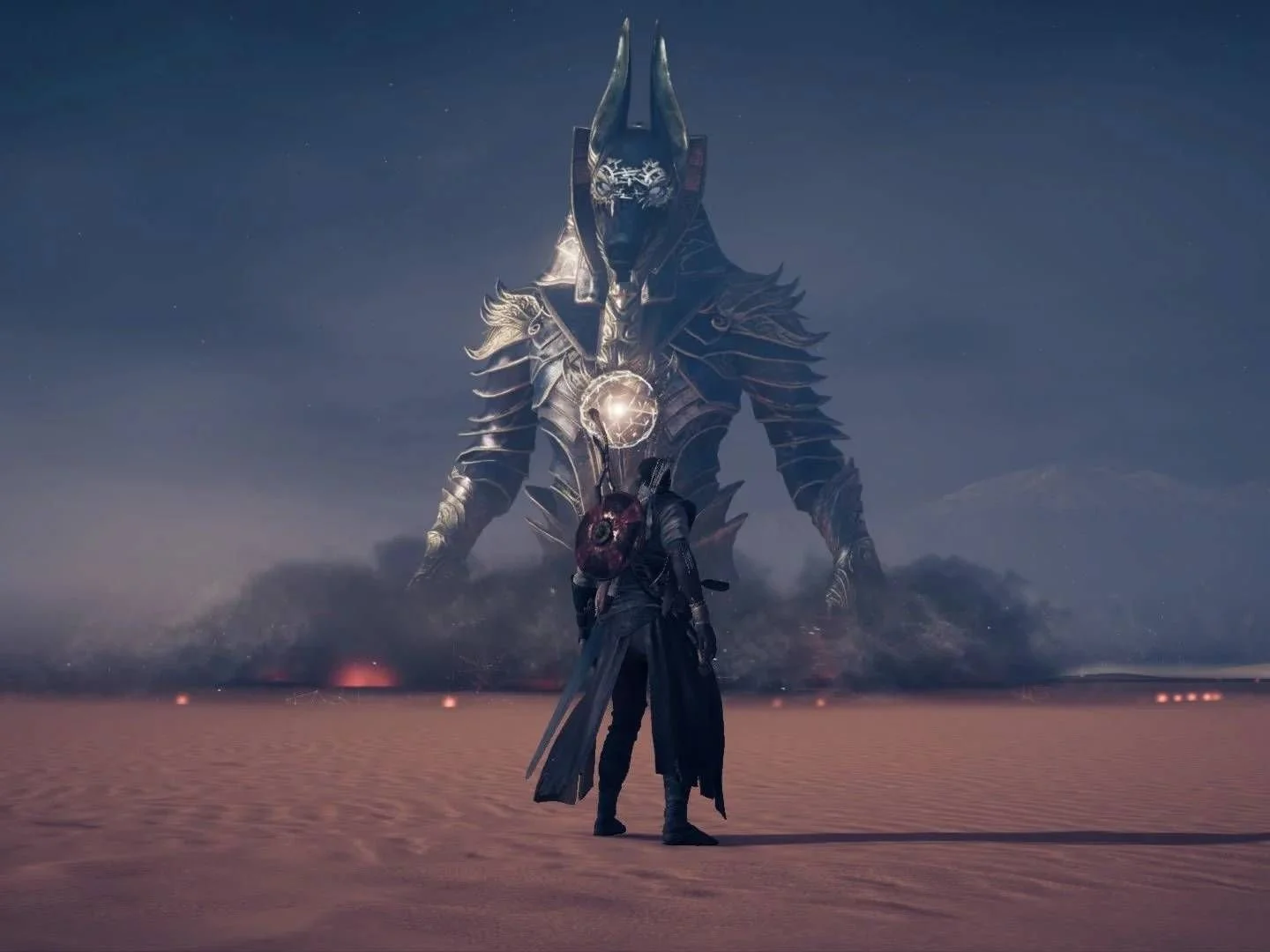
Figure 38. Anubis boss battle Assassin’s Creed Origins
In SMITE, Anubis is a playable character who fights as a mage and uses abilities related to death, making his story yours for that playthrough. The character Lucario in Pokémon is inspired by Anubis, especially in its jackal-like appearance. In Spelunky 2, players encounter Anubis as an enemy they must defeat to gain a powerful scepter.
I couldn’t leave out a mention of Lara Croft and the Temple of Osiris. In that you actually have Osiris and Isis as playable characters, and so many descriptions say that Anubis is the big bad, but if you watch the cut-scenes, Lara does say “Set”, so even though the giant dog-headed man LOOKS exactly how one assumes Anubis would look, it’s not him. In Tomb Raider, Lara retrieves the Seal of Anubis and finds a massive statue of him and Horus beneath a sphinx in the Sanctuary of the Scion. He also appears as a large statue in the Sanctuary, although he is incorrectly identified as Osiris. Plus, according to the various Lara Croft/Tomb Raider Wikis, Anubis is also the son of Set, which isn’t remotely based in mythology. I haven’t played most of these games, so I can’t say for certain whether the wiki info is true, but I’ll trust it to serve as my Anubis to the afterlife of old games.
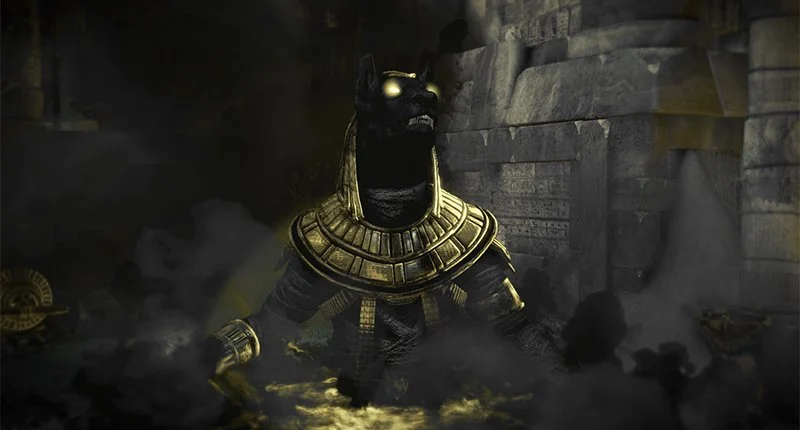
Figure 39. Looks like Anubis, but is actually Set Lara Croft: Tomb of Osiris
Other Movies and TV
Going back to movies and TV. In the opening sequence in the sequel to The Mummy, The Mummy Returns (2001), the Scorpion King, played by Dwayne The Rock Johnson, lost a battle taking place at Thebes “5000 years ago” (3067 BCE) and almost dies after the rest of his men while walking home through the desert. According to the storyteller, Ardeth Bay, he “makes a pact with the dark god Anubis” to trade his soul for conquering his enemies, and Anubis answers in the affirmative with a scorpion coming out of the sand. Once the Scorpion King takes a bite of the arachnid, an oasis pops up around him, and he gets command of Anubis’ whole army of anubis-like, jackal-headed warriors, “and like an evil flood they washed away all that lay before them”.
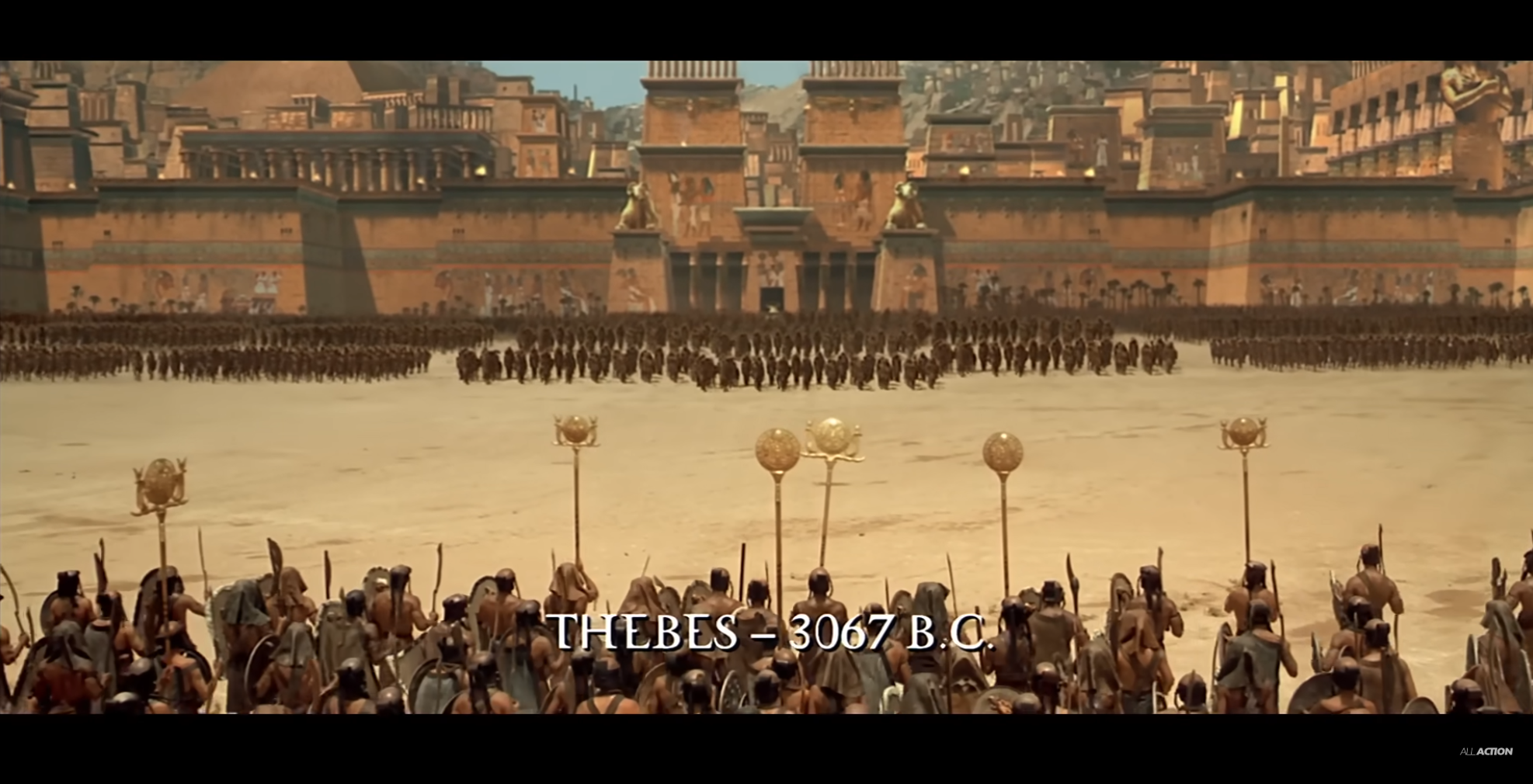
Figure 40. Screenshot from the movie The Mummy Returns (Universal Studios 2001)
For one thing, 3067 BCE, Egypt was in the early stages of the Early Dynastic Period (c. 3150–2686 BCE), following the unification of Upper and Lower Egypt. This era saw the consolidation of power by the first pharaohs, with kings like Hor-Aha (successor to Narmer) strengthening centralised control and establishing the capital near Memphis (Shaw, 2000). Thebes is thought to have been inhabited from around 3200 BCE, but the earliest monuments in the city itself date from the 11th dynasty (c. 21st century BCE), when the rulers of Thebes united Egypt and made Thebes the capital of Upper Egypt (The Editors of Encyclopaedia Britannica 2020). Thebes was the eponymous capital of Waset, the fourth nome of Upper Egypt. At the time, it was still a small trading post, while Memphis served as the royal residence of the Old Kingdom pharaohs, so it wouldn’t have looked anything like the city in the movie. For another thing, Anubis didn’t have an army, in any part of the mythology, and it is perfectly clear by now that he wasn’t evil or a conqueror.
[But I’m getting off track here again. I could go on a whole tirade about this movie, but I can save that for later.]
What is also strange is that the Scorpion King’s golden bracelet, which guides the characters to the pyramid in the centre of the oasis, was already worn by the King during the first battle, with the jackal's head on the scorpion's body. It makes some sense why he wanted to make a pact with him, but like... why did he already combine them?]
Surprisingly, despite the many inaccuracies in Gods of Egypt, they managed to depict Anubis correctly, given the story’s plot. He guides the female character into the Duat, and at least during the film’s climax, he interacts with the story of the scales, acting as a judge. However, this is only “incorrect” if you don’t acknowledge the original telling prior to Osiris’ main myth.
Neil Gaiman's 'American Gods' features Mr Jacquel as a serene and precise representation of a god, portrayed as a funeral parlour owner. Rick Riordan's 'The Kane Chronicles' series presents Anubis as a wise and approachable guide who also becomes a love interest for one of the main characters. In contrast, the Nickelodeon series 'House of Anubis' incorporates his name and mythology into its core mystery and curse, though I am unsure of its ending and whether or not it manipulates the myth.
Dungeons and Dragons
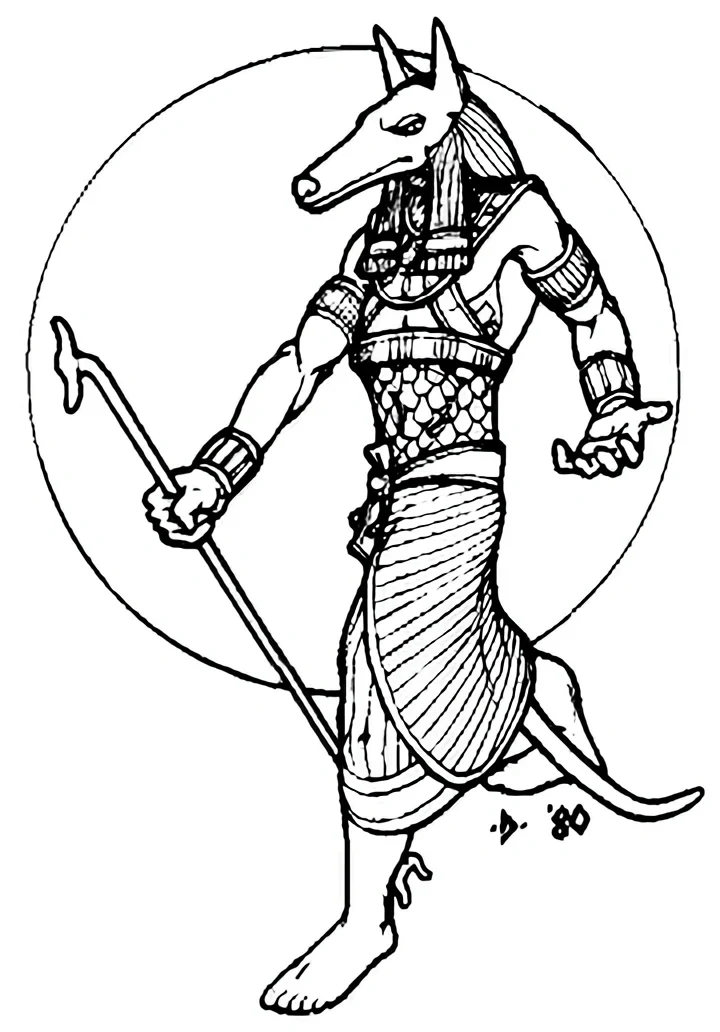
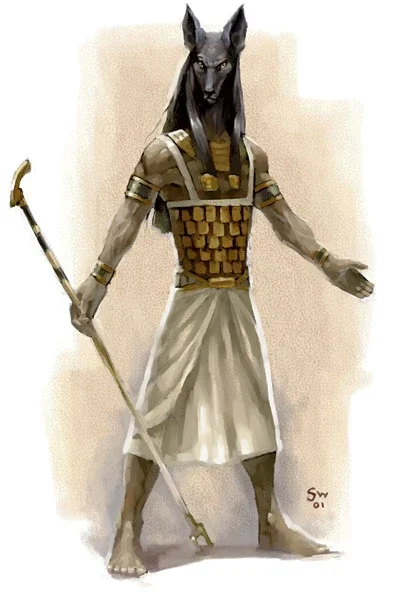
This “evil” thing is finally turned on its head in Dungeons and Dragons: Forgotten Realms [you knew I would go back here].
Anubis is the God of Judgment and Death, Guardian of the Dead, and Judge of the Dead, a role Osiris assumed from him in the actual mythology and within the Pharaonic pantheon. Also, like the real mythology, his symbol is a black jackal. Although many of his divine peers migrated to Toril to form the Mulhorandi pantheon, Anubis mostly remained in his original realm. Over time, he became known to planar travellers as the "Guardian of the Dead Gods" on the Astral Plane. He is Lawful Neutral in 5e and 3e, but Lawful Good in 2e and 1e [wonder what changed], with his focus on the Death and Grave domains.
This version of Anubis is the son of Osiris and Nephthys. While he did not move his entire presence to Toril, he supported the transition by sending a cadre of hound archons to serve Nephthys. In-game, there is some scholarly debate among planar travellers as to whether the "Guardian of the Dead Gods" on the Astral Plane is the original Anubis or a separate aspect of his divinity.
Anubis's avatar is frequently depicted as a man with a black jackal or dog head, straight black hair, and an animal tail. He wears a gold scale-mail breastplate (kalasiris) along with armlets and bracers. In combat, he wields a scepter, a +5 disruption heavy mace, and a blue stone ankh, likely made of faience, capable of casting true resurrection upon contact, but Non-divine beings trying to touch it risk casting horrid wilting on themselves (Williams et al. 2002). Known for his strict reverence for the sanctity of death, Anubis harbours a deep hostility toward tomb robbers and those attempting to resurrect followers of the Pharaonic gods. Likely because they’ve already made it to their perfect afterlife and shouldn’t be pulled out of it (might just be my head-cannon).
Anubis's primary divine powers include safeguarding tombs by instantly detecting any violations or resurrection spells cast on his followers. He can also animate statues or objects within a tomb to defend it. His innate magic enables him to transform into a jackal, teleport like a blink dog, and block other deities' sensing abilities. Additionally, he possesses soul-manipulation powers that prevent a soul from returning to its body if a cleric attempts to raise it against his will. Compared to other gods, Anubis has fewer clerics, partly because their duties often involve proximity to death, and death gods often have a poor reputation. These clerics serve as funeral officiants, leading burial rites and embalming, guardians of cemeteries and sacred libraries, and teachers who help followers develop mental and spiritual discipline for the afterlife.
Conclusion
Enduring Legacy
Although there are examples from both sides, modern media often emphasizes the frightening aspects of death, frequently portraying Anubis as an evil ruler or leader of the undead. Additionally, a common modern visual trope shows him wearing a Nemes (the striped pharaonic headdress), as seen in The Mummy Returns, but this is rarely supported by ancient depictions.
Anubis has long been admired for his role in protecting and preparing the deceased, a theme that has remained consistent throughout history and into the present. From the early predynastic era to the present, we see his role gradually change—from local funerary customs to a prominent place in mortuary traditions. His symbolic presence remains vibrant and diverse, especially during the Late Period and in modern reinterpretations.
Today, Anubis is reinterpreted within broader discussions of myth, religion, and culture. Museums, scholars, and modern artists see him as a link between ancient rituals—such as embalming and protection—and universal themes like mortality, memory, and transformation. This development highlights his evolution from a strictly funerary figure to a versatile cultural icon, capable of adapting across diverse artistic and ideological contexts while still referencing his original symbols—such as the jackal head and associated tools—that define his identity (Fahim, 2020).
Artworks also reflect this story: starting with regional portrayals of funerary scenes, transitioning to standardised images of embalming and guardianship, and ultimately leading to contemporary artworks and scholarly discussions that explore Anubis within broader themes of death, memory, and ritual. What stays most constant is his enduring role as a protector and guide of the dead—a crucial function that has persisted across thousands of years, even as modern perspectives add new layers of meaning.
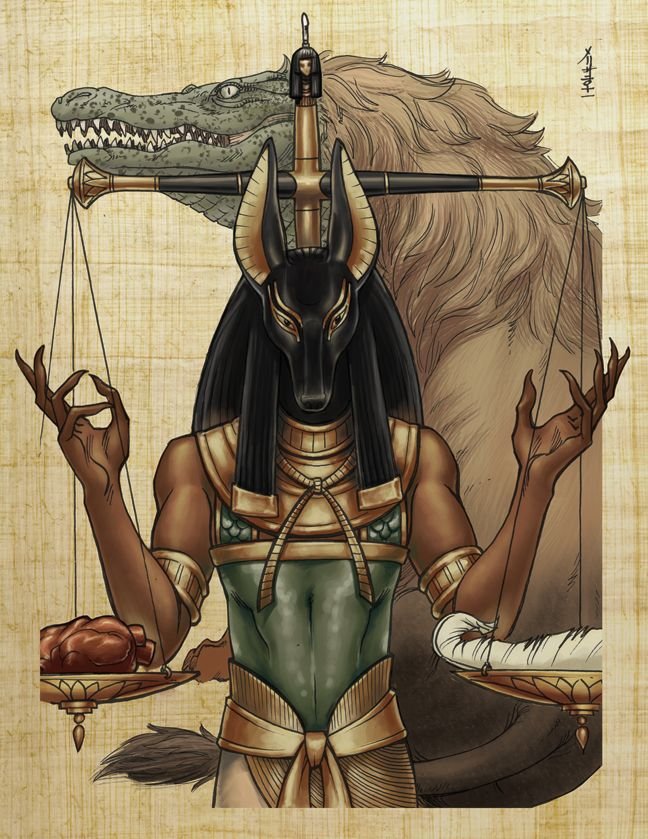
Figure 43. Anubis by MelUran on deviantART
Further Reading
Bunson, M. Encyclopedia of Ancient Egypt. Gramercy Books., 1991.
David, R. Religion and Magic in Ancient Egypt. Penguin Books, 2003.
Houser Wegner, J. (2023, October 26). Companions and guardians: Dogs and jackals in Ancient Egypt. Glencairn Museum. https://www.glencairnmuseum.org/newsletter/2023/10/25/companions-and-guardians-dogs-and-jackals-in-ancient-egypt
Ikram, S. Death and Burial in Ancient Egypt. The American University in Cairo Press, 2015.
Pinch, G. Egyptian Mythology: A Guide to the Gods, Goddesses, and Traditions of Ancient Egypt. Oxford University Press, 2004.
Wallis Budge, E. A. The Egyptian Book of the Dead. Dover Publications, 1967.
Wilkinson, R. H. The Complete Gods and Goddesses of Ancient Egypt. Thames & Hudson, 2003.
References
The Ancient Egypt Site. (2002, December 27). Anubis. https://web.archive.org/web/20021227200957/http://www.ancient-egypt.org/religion/gods/anubis.html
Blackwood, Russell; Crossett, John; Long, Herbert (1962), "Gorgias 482b", The Classical Journal, 57 (7): 318–19, JSTOR3295283.
Budge, Sir Ernest Alfred Wallis (1904). The Gods of the Egyptians: Or, Studies in Egyptian Mythology. Methuen & Company. p. 493.
Centre of Excellence. (n.d.). Anubis in Egyptian mythology: Myths, symbols, and powers. https://www.centreofexcellence.com/anubis-in-egyptian-mythology/
Clutton-Brock, J. (1996). Competitors, companions, status symbols, or pests: a review of human associations with other carnivores. Carnivore behavior, ecology, and evolution, 2, 375-392.
Conder, Claude Reignier (trans.) (1894) [1893], The Tell Amarna Tablets (Second ed.), London: Published for the Committee of the Palestine Exploration Fund by A.P. Watt, ISBN978-1-4147-0156-1.
Coulter, Charles Russell; Turner, Patricia (2000), Encyclopedia of Ancient Deities, Jefferson (NC) and London: McFarland, ISBN978-0-7864-0317-2.
The Editors of Encyclopaedia Britannica (2020, May 2). Thebes summary. Encyclopedia Britannica. https://www.britannica.com/summary/Thebes-ancient-Egypt
Edwards, I.E.S. (1972). The Treasures of Tutankhamun. New York: Viking Press. pp. #24. SBN 670-72723-7.
Faulkner, Raymond. O. (n.d.). imy-wt. Project Rosette - Dictionary detail. https://projetrosette.info/popup.php?Id=1012&idObjet=697
Faulkner, Raymond O.; Andrews, Carol; Wasserman, James (2008), The Egyptian Book of the Dead: The Book of Going Forth by Day, Chronicle Books, ISBN978-0-8118-6489-3.
Fischer, Henry George (1968), Dendera in the Third Millennium B. C., Down to the Theban Domination of Upper Egypt, London: J.J. Augustin.
Freeman, Charles (1997), The Legacy of Ancient Egypt, New York: Facts on File, ISBN978-0-816-03656-1.
Gasparro, G. (2018). Anubis in the “Isiac Family” in the Hellenistic and Roman World. Acta Antiqua Academiae Scientiarum Hungaricae, 58(1-4), 529-548. https://doi.org/10.1556/068.2018.58.1-4.31
Gryglewski, Ryszard W. (2002), "Medical and Religious Aspects of Mummification in Ancient Egypt" (PDF), Organon, 31 (31): 128–48, PMID15017968.
Hart, George (1986), A Dictionary of Egyptian Gods and Goddesses, London: Routledge & Kegan Paul, p. 26, ISBN 0-415-34495-6
Herdman, J. (2025, May 12). The "Christianisation" of Hermanubis? A New Understanding of Ancient Egypt. https://juliaherdman.substack.com/p/the-christianisation-of-hermanubis
Hoerber, Robert G. (1963), "The Socratic Oath 'By the Dog'", The Classical Journal, 58 (6): 268–69, JSTOR3293989.
Ischlondsky N. (1966). A Peculiar Representation of the Jackal-God Anubis. Journal of Near Eastern Studies
Johnston, Sarah Iles (general ed.) (2004), Religions of the Ancient World: A Guide, Cambridge, MA: Belknap Press, ISBN978-0-674-01517-3.
Kelsey Museum of Archaeology. (2018). Anubis: Embalmer and protector of the dead. Death Dogs: The Jackal Gods of Ancient Egypt. https://exhibitions.kelsey.lsa.umich.edu/jackal-gods-ancient-egypt/anubis.php
Kelsey Museum of Archaeology. (2018a). The Jackal gods at Abydos. Death Dogs: The Jackal Gods of Ancient Egypt.https://exhibitions.kelsey.lsa.umich.edu/jackal-gods-ancient-egypt/abydos.php
Koepfli, K. P., Pollinger, J., Godinho, R., Robinson, J., Lea, A., Hendricks, S., ... & Wayne, R. K. (2015). Genome-wide evidence reveals that African and Eurasian golden jackals are distinct species. Current biology, 25(16), 2158-2165.
Lapp, Günther (1986), Die Opferformel des Alten Reiches: unter Berücksichtigung einiger späterer Formen [The offering formula of the Old Kingdom: considering a few later forms], Mainz am Rhein: Zabern, ISBN978-3805308724.
Leprohon, Ronald J. (1990), "The Offering Formula in the First Intermediate Period", The Journal of Egyptian Archaeology, 76: 163–64.
Logan, Thomas J. (1990). "The Origins of the Jmy-wt Fetish". Journal of the American Research Center in Egypt. 27: 61–69. doi:10.2307/40000074. JSTOR40000074.
Mark, J. J. (2016, July 25). Anubis. World History Encyclopedia. https://www.worldhistory.org/Anubis/
Mark, J. J. (2014, February 17). Qebhet. World History Encyclopedia. https://www.worldhistory.org/Qebhet/
Massey, G. (1907). Ancient Egypt, the Light of the World: A Work of Reclamation and Restitution. Fisher.
Osborn, D.; Helmy, I. (1980). "Canis aureus lupaster (Hemprich and Ehrenberg, 1833)". The contemporary land mammals of Egypt (including Sinai). Chicago: Field Museum of Natural History. p. 367.
Peacock, David (2000), "The Roman Period", in Shaw, Ian (ed.), The Oxford History of Ancient Egypt, Oxford University Press, ISBN978-0-19-815034-3.
Porphyry, De imaginibus fr. 8, p. 18. 1–2 Bidez
Remler, P. (2010). Egyptian Mythology, A to Z. Infobase Publishing. p. 99. ISBN978-1438131801.
Riggs, Christina (2005), The Beautiful Burial in Roman Egypt: Art, Identity, and Funerary Religion, Oxford and New York: Oxford University Press
Ritner, R. K. (1985). Anubis and the lunar disc. The Journal of Egyptian Archaeology, 71(1), 149-155.
Shaw, Ian, ed. (2000). The Oxford History of Ancient Egypt. Oxford University Press. p. 479. ISBN0-19-815034-2.
Tait, John (2003). 'Never Had the Like Occurred': Egypt's view of its past. Great Britain: UCL Press. pp. 155–185. ISBN9781315423470.
Turner, Alice K. (1993). The History of Hell (1st ed.). United States: Harcourt Brace. p. 13. ISBN978-0-15-140934-1.
Vischak, Deborah (27 October 2014). Community and Identity in Ancient Egypt: The Old Kingdom Cemetery at Qubbet el-Hawa. Cambridge University Press. ISBN9781107027602.
Wegner, Jennifer Houser. (26 Oct. 2023). "Companions and Guardians: Dogs and Jackals in Ancient Egypt." Glencairn Museum News, no. 10.
Wilfong, Terry G. (2015), Death Dogs: The Jackal Gods of Ancient Egypt. Kelsey Museum Publication 11. Ann Arbor: Kelsey Museum of Archaeology. Pp.50-51.
Wilkinson, Toby A. H. (1999), Early Dynastic Egypt, London: Routledge
Williams, Skip,Rich Redman, James Wyatt (April 2002). Deities and Demigods. (Wizards of the Coast), p. 141. ISBN 0-7869-2654-6.
Winkler, A. (2022). Magical Obstetrics: Anubis, Bird Blood, and a Black Shrew. Journal of Near Eastern Studies, 81(1), 53-70. https://doi.org/10.1086/718783
Zandee, Jan (1960), Death as an Enemy: According to Ancient Egyptian Conceptions.
جميل, إ. 2021). The Offering Table of Ḫwyʽз from the Twelfth Dynasty (RC-2990). Bulletin of the Center Papyrological Studies, 38(1), 149-164. https://doi.org/10.21608/bcps.2021.203769